A home is only as durable as the materials it’s built with. In the Lake Norman area, that statement carries extra weight. Humidity, UV exposure, seasonal temperature swings, and proximity to water all accelerate material degradation in ways that matter significantly over a home’s lifespan. Quality custom homes built with climate-durable materials outlast homes built with materials chosen for appearance alone. After 22+ years of building across Denver, Mooresville, Cornelius, Huntersville, Davidson, Sherrills Ford, Lincolnton, Iron Station, and Maiden, we’ve learned exactly which materials hold up here and which ones create maintenance burdens within years. This guide tells you what to specify and why.
Why the Lake Norman Climate Creates Specific Material Demands
The Lake Norman region isn’t a forgiving environment for materials that weren’t selected thoughtfully. Summer humidity regularly pushes above 80 percent. UV exposure on south and west-facing elevations is intense. Pollen season loads exterior surfaces with particulate matter. Occasional winter freeze-thaw cycles stress caulking, concrete, and any product with water retention potential.
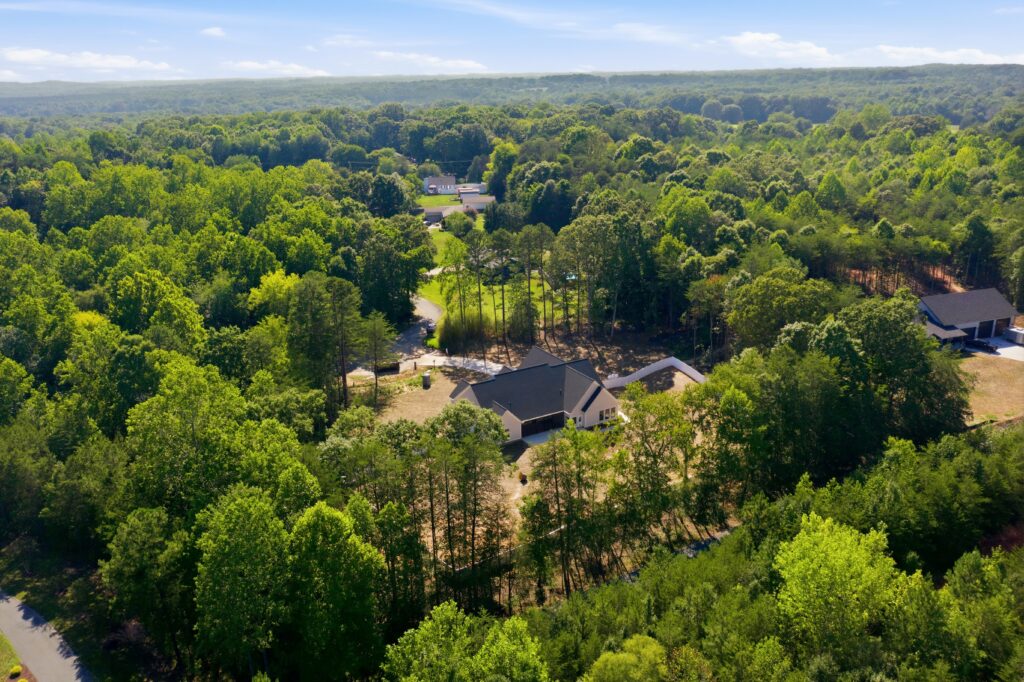
Lakefront and lake-adjacent homes face even more demanding conditions. Water spray, higher ambient moisture, and corrosive conditions from the water’s edge all shorten the lifespan of finishes, hardware, and mechanical components that perform adequately further from the lake.
Understanding these conditions shapes every material decision in quality custom homes built for this specific environment.
Exterior Cladding: What Holds Up and What Doesn’t
Fiber Cement Siding
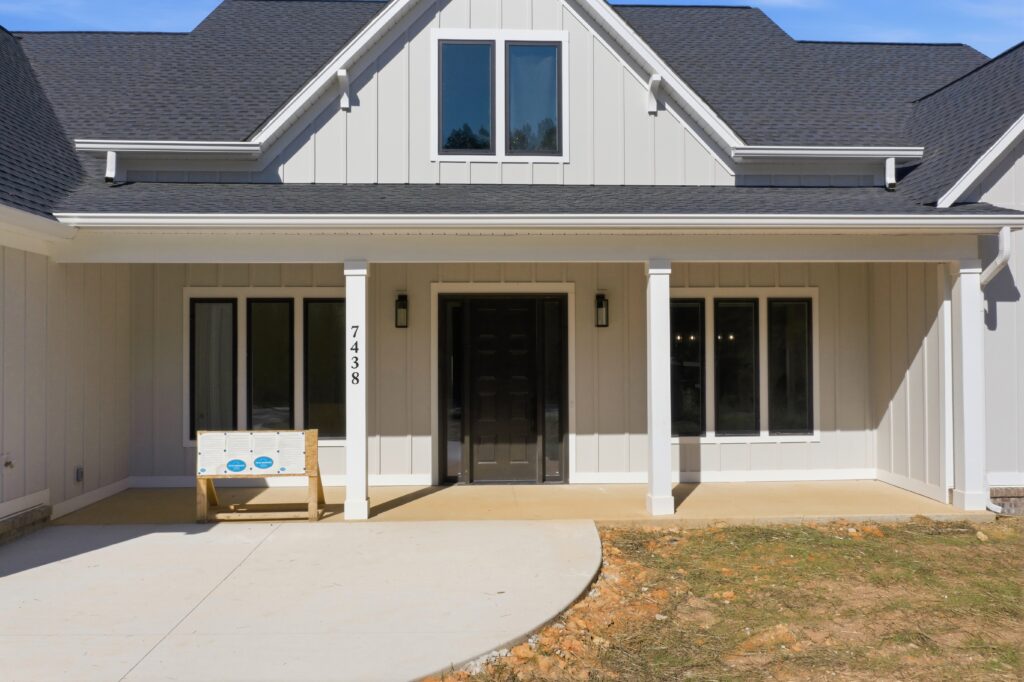
Fiber cement is the most reliable exterior cladding choice for the Lake Norman climate. It resists moisture penetration, holds paint well, and doesn’t swell or contract the way wood products do in high humidity. Properly installed and finished, fiber cement performs for decades with minimal maintenance.
The key word is properly installed. Fiber cement that isn’t installed with correct clearances, sealed at all penetrations, and finished with quality paint will fail prematurely regardless of the product quality. Installation standard matters as much as product selection.
Real Wood Siding and Trim
Real wood siding can perform well in this climate when specified correctly. Species selection matters: cedar and redwood resist moisture better than pine or fir. Proper priming, painting, and regular maintenance are required to sustain performance.
Wood trim on lakefront homes requires more frequent maintenance than trim on inland properties. Paint cycles run shorter. Caulk at joints needs more regular inspection and renewal. These aren’t reasons to avoid wood, but they’re factors that belong in the long-term maintenance plan.
Vinyl Siding Limitations
Vinyl siding performs adequately in moderate conditions but shows limitations in the Lake Norman environment. UV exposure fades color, particularly on south-facing elevations. Extreme summer heat can cause visible expansion and distortion. In premium custom homes, vinyl rarely meets the quality standard that the investment demands.
Roofing: Matching Performance to Exposure
Architectural Shingles
Quality architectural shingles rated for high wind and algae resistance perform well across most of the Lake Norman area. Algae resistance matters here: the region’s humidity creates ideal conditions for the black streaking that degrades shingle appearance and, over time, performance.
Choosing shingles with Class 4 impact resistance adds meaningful longevity in areas that see occasional hail. The incremental cost at installation is modest compared to the replacement cost of a roof that was undersized for local conditions.
Standing Seam Metal Roofing
Standing seam metal is the premium roofing choice for quality custom homes in high-exposure environments. Metal roofing sheds water completely, doesn’t support algae or moss growth, and carries a lifespan measured in decades rather than years.
The upfront cost is significantly higher than shingles. The long-term maintenance cost is significantly lower. For lakefront homes where roof replacement requires specialized access and carries higher labor cost, the longer lifespan of metal roofing pays meaningful dividends.
Windows and Doors: Where Performance Matters Most
Performance Ratings for This Climate
Window performance in the Lake Norman environment depends on three factors: air infiltration, water resistance, and thermal performance. Cheap windows leak air and water at frames and seals. Quality windows hold their seals through years of humidity cycling, UV exposure, and temperature variation.
Specify windows with a minimum ENERGY STAR rating for the Southeast climate zone. Look for warm-edge spacers in insulated glass units, which reduce condensation on the interior glass surface during winter. Low-E coatings reduce solar heat gain, keeping south and west-facing rooms cooler through Lake Norman summers.
Hardware and Trim Details
On lakefront homes, standard steel hardware corrodes faster than it should. Stainless steel or marine-grade hardware for door handles, hinges, locks, and exterior lighting fixtures performs significantly better in the elevated moisture and salt conditions near the water.
Designer Tara Setzer guides hardware selections with environment in mind on every project. The difference between standard and marine-grade hardware shows up not in appearance at move-in but in condition five years later.
Foundation and Concrete Work
Moisture Management Below Grade
Foundations in the Lake Norman area face persistent moisture pressure. Crawl spaces beneath homes accumulate humidity unless properly designed and managed. A fully encapsulated crawl space with a conditioned air supply and a working drainage system is the appropriate specification for this climate, not an upgrade.
Concrete flatwork around the home, including driveways, patios, and walkways, benefits from proper mix design, adequate curing, and sealing. Concrete that isn’t properly treated absorbs moisture, which then expands during freeze events and causes spalling and cracking.
Soil Conditions and Foundation Engineering
Clay-heavy soils in parts of Mooresville and Huntersville expand and contract seasonally. That movement places stress on standard foundation designs. Engineered solutions appropriate for local soil conditions protect the structure long-term.
We conduct soil evaluations before finalizing foundation design on every project. That evaluation ensures the foundation is engineered for the actual conditions beneath the home, not for generic assumptions.
Interior Materials in a Humid Climate
Hardwood Flooring
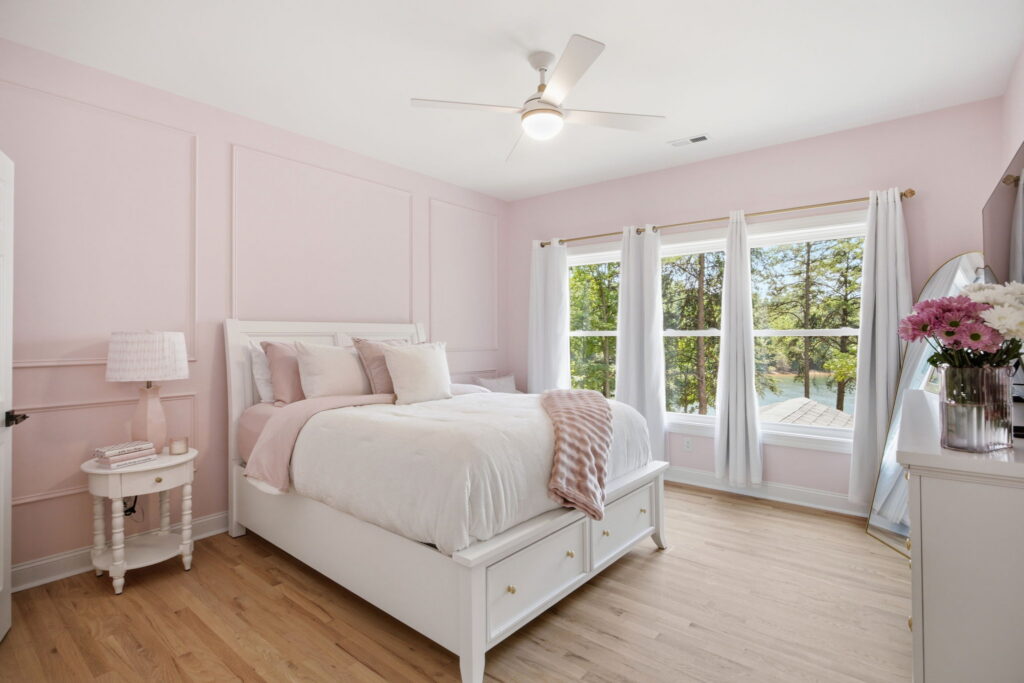
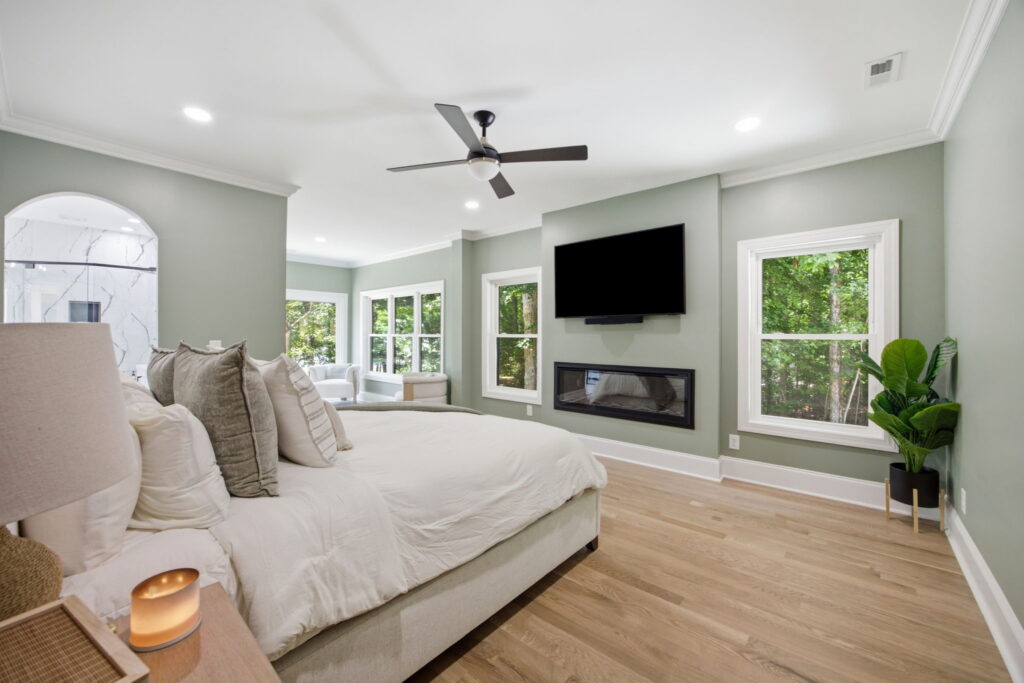
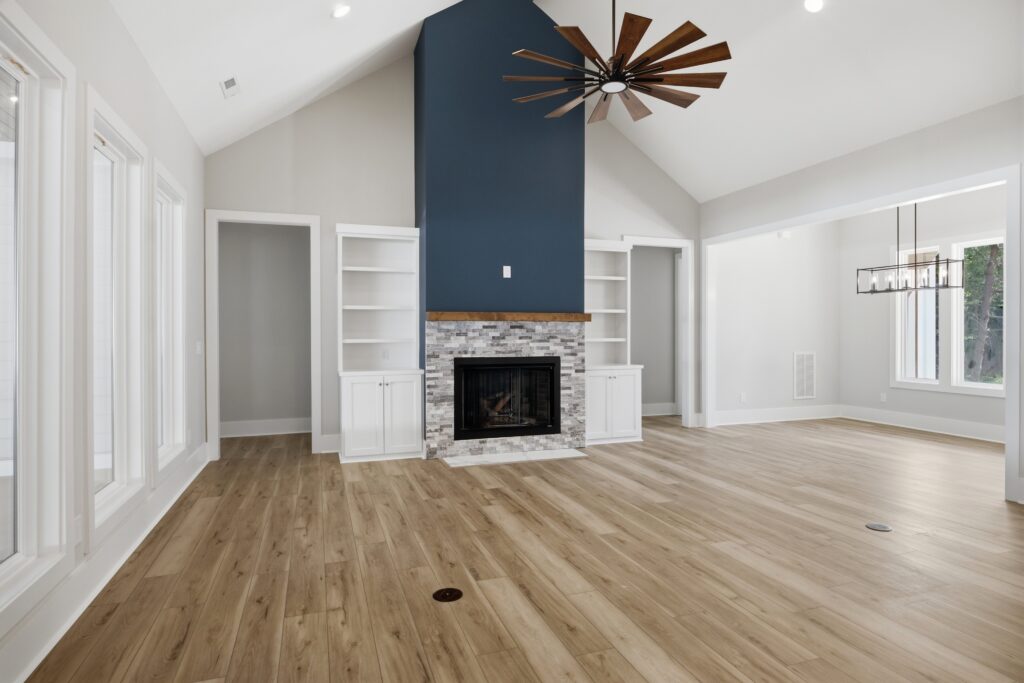
Solid hardwood flooring moves in response to humidity. In the Lake Norman area’s seasonal humidity swings, solid hardwood can cup, gap, or buckle in homes without good humidity control. Engineered hardwood, which is more dimensionally stable across humidity ranges, is often the more reliable choice.
When solid hardwood is specified, proper acclimation before installation and consistent interior humidity control after move-in are both essential. A whole-home humidification and dehumidification system protects hardwood floors and protects the household from the health issues that extreme interior humidity causes.
Cabinetry and Millwork
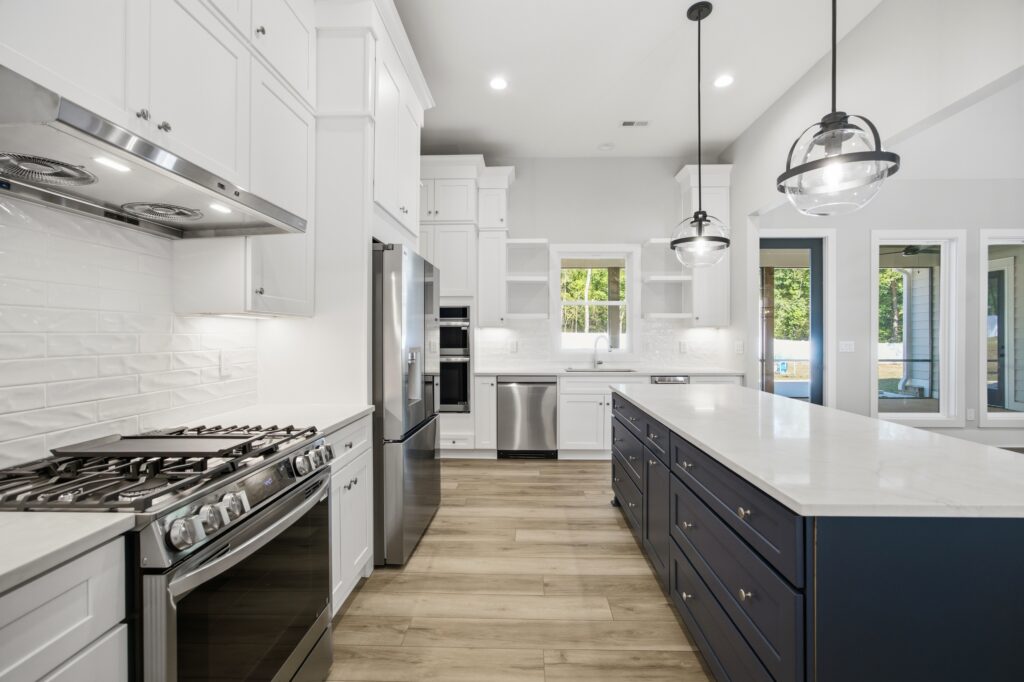
Quality custom homes specify cabinet boxes and millwork that hold up in humid conditions. Plywood box construction outperforms particleboard in moisture resistance. Properly sealed painted finishes protect wood substrate better than bare or minimally finished surfaces.
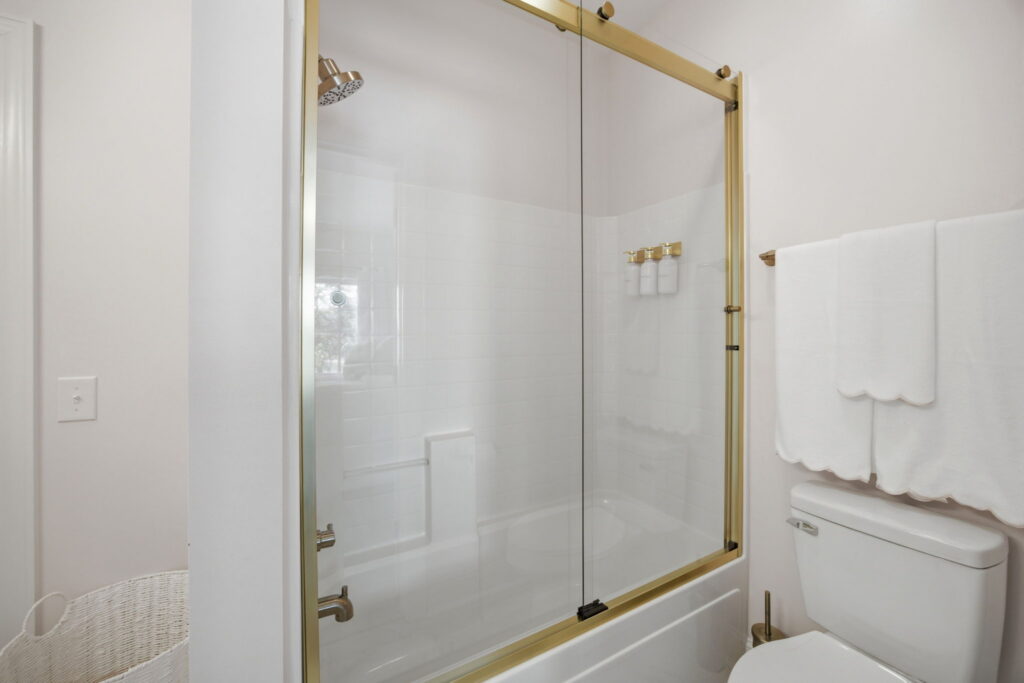
In bathrooms and laundry rooms, specifying moisture-resistant materials for cabinetry and millwork reduces the risk of swelling, warping, and finish failure that humidity causes in less durable products.
Our overview of what goes into quality custom homes built to last covers material standards across every phase of construction.
HVAC and Mechanical Systems
Sizing for Humidity Control
An HVAC system in the Lake Norman area carries a heavier load than one in a drier climate. Properly sized equipment with humidity control capability manages both temperature and moisture content. Undersized equipment runs constantly without achieving comfortable interior conditions.
Whole-home dehumidification systems are a worthwhile specification for homes in lower-lying or lakefront areas where ambient humidity is consistently higher. Managing interior humidity protects every other material in the home, from hardwood floors to drywall finish.
Crawl Space Conditioning
In homes with crawl spaces, conditioning the crawl space air supply directly reduces the moisture load the home’s systems must manage. An unconditioned crawl space in the Lake Norman climate is a continuous source of moisture that migrates upward into living areas.
The National Association of Home Builders publishes resources on climate-appropriate building materials and energy performance standards that provide useful national context alongside the specific Lake Norman conditions covered here.
For homeowners verifying builder credentials before starting a project, the NC Licensing Board for General Contractors provides free license verification for any builder operating in North Carolina.
Frequently Asked Questions
What makes quality custom homes built with climate-durable materials different in Lake Norman?
Lake Norman’s humidity, UV exposure, and lakefront conditions accelerate material degradation. Climate-durable materials are specified to perform reliably in these conditions rather than failing prematurely.
What exterior cladding holds up best in the Lake Norman climate?
Fiber cement siding is the most reliable choice for humidity resistance and paint retention. Properly installed and finished, it outperforms vinyl and requires less maintenance than untreated wood products.
Why does roofing choice matter more for lakefront homes?
Lakefront homes face higher moisture exposure, limited access for maintenance, and more frequent weather events. Standing seam metal roofing’s longer lifespan and low maintenance make it the better long-term investment.
How does interior humidity affect material choices in a Lake Norman custom home?
High interior humidity causes solid hardwood to cup and gap, and particleboard cabinets to swell. Engineered hardwood, plywood cabinet boxes, and whole-home humidity control all address this directly.
Should I specify marine-grade hardware on a Lake Norman custom home?
Yes, for lakefront and lake-adjacent homes. Marine-grade or stainless hardware resists corrosion significantly better than standard steel in the elevated moisture conditions near the water.
Build Once, Built Right
Quality custom homes built with climate-durable materials protect the investment for decades. Choose exterior cladding that resists moisture. Specify roofing appropriate for UV exposure and longevity. Manage humidity through HVAC design, crawl space conditioning, and interior material selection.
Next Horizon Homes has built quality custom homes across the Lake Norman region for over 22 years. Designer Tara Setzer and architect Kharla Dayrit guide every material decision with local environmental conditions in mind, because a material that looks good at move-in but fails in five years isn’t a quality selection.
When you’re ready to plan a build where material durability is part of every decision from the start, reach out to our team and let’s build something that holds up as well in twenty years as it does on day one.