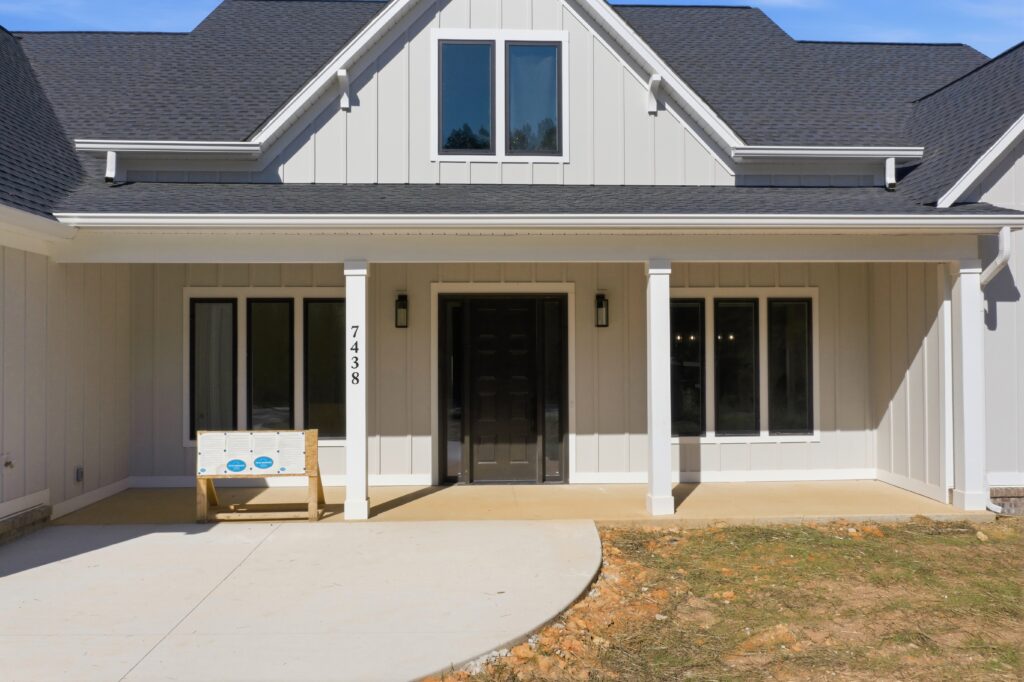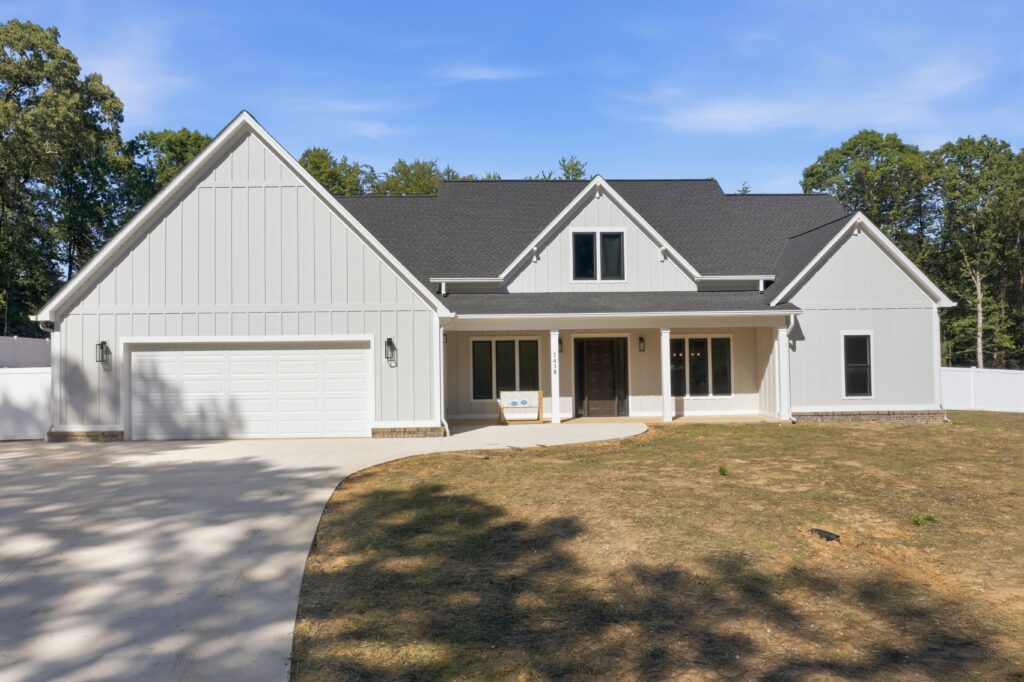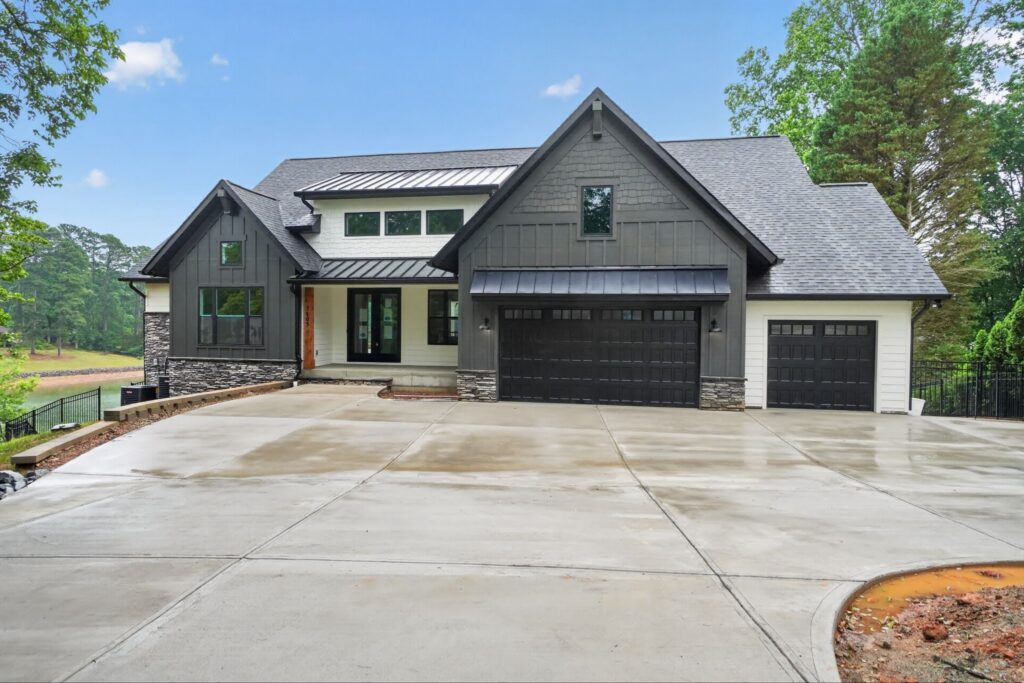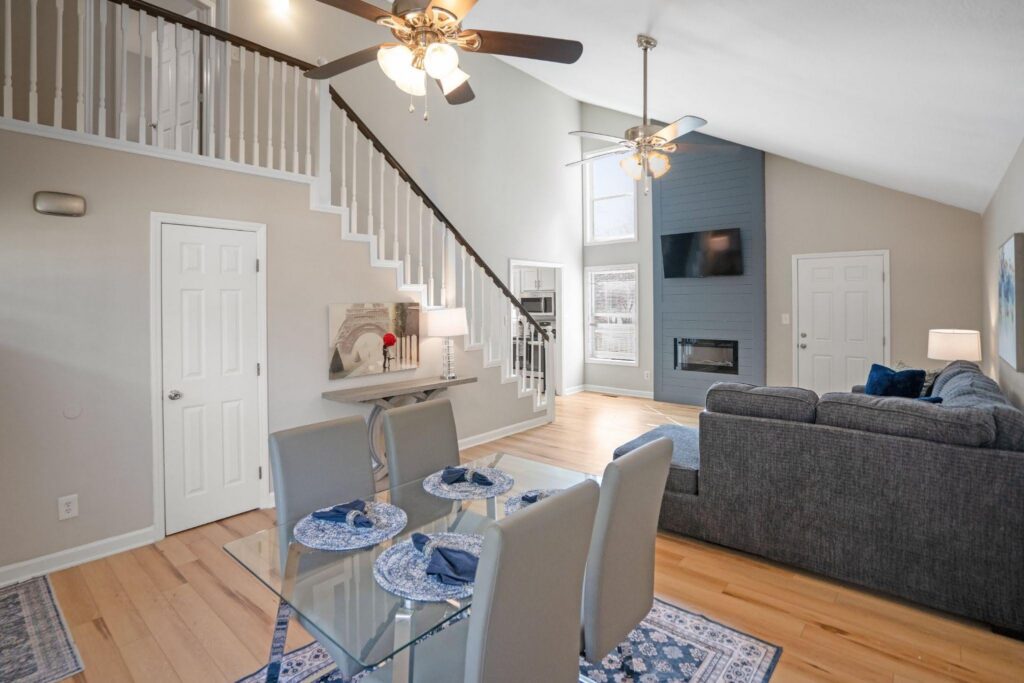
The build is done. The certificate of occupancy is issued. The keys are in your hand. But knowing what to expect after your build on your lot home is complete helps you move into this next phase with confidence rather than uncertainty. The post-construction period has its own responsibilities, expectations, and learning curve. After 22+ years of working with families across Denver, Mooresville, Cornelius, Huntersville, Davidson, Sherrills Ford, Lincolnton, Iron Station, and Maiden, we know exactly what homeowners encounter in the weeks, months, and first year after moving in. This guide covers what’s normal, what needs attention, and how to protect what you’ve built.
The First Days: Settling In and Learning the Home
The Home Orientation
A proper move-in starts with a thorough orientation covering every system the household will operate. This includes the HVAC controls and filter schedule, water shutoff locations for the whole home and individual fixtures, electrical panel layout and circuit labels, and any smart home or security systems installed during the build.
Build on your own lot builders who take post-closing seriously complete this orientation before handing over keys. Knowing where the water shutoff is before a problem occurs matters. Discovering it during a plumbing emergency does not.
At Next Horizon Homes, every client receives a complete home orientation before the walkthrough concludes. That orientation covers everything from drain locations to warranty documentation.
Reading the Home’s Mechanical Systems
The first week is a good time to run every system under normal conditions. Test the HVAC in both heating and cooling mode. Run every faucet and check drainage. Test every outlet, switch, and fixture. Open and close every window and door.
This early testing catches anything that needs attention while the warranty is fresh and the builder is actively engaged. Issues discovered in the first week are far easier to address than ones that surface six months later.
What Is Normal in a Newly Built Home
Minor Settling and Shrinkage
New construction settles. That’s normal and expected. In the first year, small hairline cracks may appear in drywall at corners and ceiling joints. Trim may develop minor gaps at mitered corners. Doors may need minor adjustment as the framing reaches equilibrium.
These are cosmetic settling behaviors, not structural concerns. Wood framing, drywall compound, and trim all respond to humidity and temperature changes during the first heating and cooling cycle. Build on your own lot builders with experience will explain this before move-in so homeowners aren’t alarmed when it happens.
HVAC Performance During First Seasons
The first full heating season and first full cooling season reveal how the HVAC system performs under actual load. Temperature variations between zones, humidity management, and filter clogging rates all become clear in the first year.
Keep track of filter replacement dates from the start. HVAC filters in the Lake Norman area clog faster than in drier climates due to humidity and pollen. Replacing filters on schedule protects system performance and air quality.
Understanding Your Builder Warranty
What Is Covered and When
A standard new construction warranty in North Carolina covers one year on workmanship and materials, two years on mechanical systems, and ten years on structural defects. Your specific warranty terms govern what applies to your home. Review the warranty document carefully before move-in.
Cosmetic settling, as described above, is typically not a warranty item. Functional defects, where a system or component doesn’t perform as intended, are covered. Knowing the difference helps frame warranty conversations correctly.
How to File a Warranty Claim
Know the process before you need it. Who is the contact for warranty claims? What is the expected response time? Is there a specific form or documentation required?
Build on your own lot builders operating at a professional standard have a defined warranty claim process. At Next Horizon Homes, clients have direct access to our team throughout the warranty period. There’s no call center, no ticket system, and no delay in getting a human response.
The First-Year Maintenance Schedule
Exterior Checks
Inspect the exterior at each season change. Look for caulking shrinkage around windows, doors, and exterior penetrations. Caulk that has cracked or separated allows water intrusion that damages finishes and framing over time.
Check gutters and downspouts after heavy leaf fall. In the Lake Norman area, spring pollen and fall leaves both clog gutters quickly. Confirm downspouts direct water well away from the foundation.
HVAC Service
Schedule a professional HVAC service before the first full cooling season and again before the first full heating season. This is especially important for new systems, which benefit from a professional baseline check in the first year of operation.
Clean debris from outdoor condenser units seasonally. Keep the area around each unit clear. Replace filters on the schedule the manufacturer recommends, typically every one to three months depending on usage and household conditions.
Crawl Space Monitoring
If the home has a crawl space, inspect it annually and after any significant weather event. Look for moisture, condensation, any compromise to the vapor barrier, and the condition of exposed framing.
Crawl space issues in the Lake Norman area are common due to humidity. A properly encapsulated space with a conditioned air supply and working sump system handles this well, but annual inspection confirms everything is functioning correctly.
Landscaping and Drainage
New construction often finishes with minimal landscaping. Establishing vegetation around the foundation controls erosion and protects drainage. Bare soil around a new home washes during heavy rain, which can affect drainage patterns near the foundation.
Establishing ground cover, grassing lawn areas, and planting foundation plantings in the first spring after move-in protects the site and reduces long-term maintenance.
What to Do at the One-Year Mark
The one-year mark is important for several reasons. For most warranties, the one-year workmanship coverage is expiring. This is the time for a thorough walkthrough to identify any items that need attention before that coverage ends.
Document everything. Walk every room, test every system, and note anything that hasn’t performed correctly during the first year. Submit all items in writing to the builder before the one-year anniversary.
Build on your own lot builders who operate professionally respond to one-year warranty reviews promptly and completely. Our clients receive guidance on conducting this review and know exactly how to submit items for attention.
Long-Term Ownership: What the Second Year and Beyond Looks Like
Systems Replacement Planning
Even well-built homes have systems with finite lifespans. HVAC equipment typically runs 15 to 20 years. Water heaters run 10 to 15 years. Roofing has a lifespan that varies by material and exposure.
Planning for these replacements financially prevents the stress of unexpected large expenses. Keeping records from the builder, including equipment serial numbers, installation dates, and warranty documentation, makes future service and replacement easier.
Maintaining the Relationship With Your Builder
A build on your own lot builders relationship doesn’t have to end at the one-year warranty mark. Many homeowners stay in contact with the team that built their home for advice, referrals to trusted trades, and future renovation work.
Founder Matt Phillips built Next Horizon Homes on a relationship-driven process that extends beyond closing. When clients have questions years after move-in, we remain accessible.
Our overview of what build on your own lot builders provide throughout and after the construction process covers how that relationship protects homeowners at every stage.
The National Association of Home Builders publishes homeowner guides covering post-construction maintenance that complement the first-year guidance above.
For homeowners who want to confirm their builder’s credentials or understand warranty rights under North Carolina law, the NC Licensing Board for General Contractors provides a useful resource.
Frequently Asked Questions
What to expect after your build on your lot home is complete in the first year?
Expect minor cosmetic settling, first-season HVAC adjustments, exterior caulking checks, and a one-year warranty review. These are normal parts of owning a newly built home.
Is drywall cracking normal in a new custom home?
Yes. Small hairline cracks at corners and ceiling joints are common as new framing settles during the first heating and cooling cycle. These are cosmetic and expected in new construction.
How do I submit a warranty claim on my new build on your lot home?
Contact the builder directly with a written description and location of every issue. Submit all items together and request written confirmation of the expected resolution timeline.
When should I schedule HVAC service after moving into a new home?
Schedule professional HVAC service before the first full cooling season and again before heating season. New systems benefit from a baseline service check in the first year.
What happens at the one-year warranty mark for a new custom home?
The workmanship warranty typically expires at one year. Conduct a thorough walkthrough, document all items needing attention, and submit them in writing to the builder before the anniversary date.
Move In Prepared, Not Surprised
Knowing what to expect after your build on your lot home is complete turns the post-construction period from uncertain to manageable. Minor settling is normal. First-year maintenance is straightforward. The one-year warranty review is important. And the relationship with a good builder extends well beyond closing.
Next Horizon Homes has guided families through every phase of the build on your own lot builders process for over 22 years. That guidance doesn’t stop at the final walkthrough. Our clients know how to care for their homes, how to use their warranties, and how to reach us when something needs attention.
When you’re ready to start a build that comes with real post-closing support, reach out to our team and let’s talk about building something together that we’ll both stand behind for years