Most homeowners focus on square footage and finishes when budgeting a custom home. The lot itself rarely gets the same scrutiny. That’s a costly mistake. How lot conditions affect custom home cost is one of the most consistently underestimated variables in the entire building process. Two lots priced similarly on the market can produce wildly different total project costs once site conditions are factored in. After 22+ years of evaluating and building on lots across Denver, Mooresville, Cornelius, Huntersville, Davidson, Sherrills Ford, Lincolnton, Iron Station, and Maiden, we’ve seen this play out hundreds of times. This guide explains exactly what lot conditions drive cost and why evaluating the land before buying it protects your budget.
Why the Lot Matters as Much as the Home Design
A home design exists in a vacuum until it meets the land. The lot determines what site preparation is required, how the foundation is designed, where utilities come from, and how long permitting will take. All of these variables affect cost directly.
When you build on your own lot, you’re starting with conditions that were set before you arrived. Those conditions can help or hurt the total project budget significantly. Understanding this shifts how smart buyers evaluate land.
The purchase price of a lot is only part of the equation. The total cost of building on that lot is what matters for budget planning.
Terrain and Grade
How Slope Adds Cost
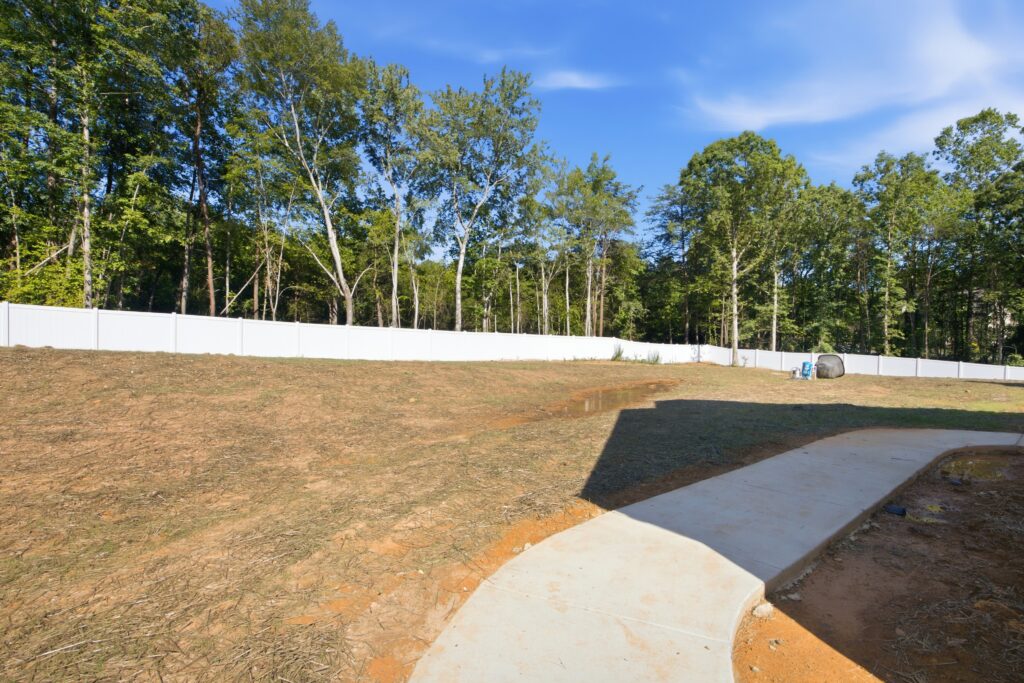
A flat lot requires minimal grading. A sloped lot requires cut-and-fill work to create a level, stable building pad. The steeper the grade, the more earthwork is required, and the higher the site preparation cost.
Sloped terrain throughout the Lake Norman area is common. Lakefront parcels in Cornelius, wooded lots in Sherrills Ford, and hillside parcels near Davidson all frequently involve meaningful grade changes. Retaining walls, which are often needed on steeper sites, add significant material and labor cost on top of basic grading.
A sloped lot that requires extensive grading and a retaining wall can add $25,000 to $60,000 or more in site preparation compared to a flat parcel with minimal earthwork requirements.
How Grade Affects Foundation Design
Grade also affects how the foundation is designed. A flat lot typically uses a standard monolithic slab or conventional footing. A sloped lot may require a stepped foundation, a walkout basement configuration, or a taller crawl space on the downhill side.
Each of these foundation approaches carries a different cost. The lot’s slope doesn’t just affect site prep, it shapes one of the most expensive components of the entire build.
Soil Conditions
Bearing Capacity and Foundation Engineering
Soil bearing capacity determines whether standard footings are adequate or whether engineered solutions are required. Clay-heavy soils in parts of Mooresville and Huntersville compress seasonally, placing stress on foundations designed for stable soil.
When soil testing reveals inadequate bearing capacity, options include deeper footings, helical piers, or engineered grade beams. These solutions add meaningful cost. Discovering the need for them after foundation work begins is far more expensive than discovering it before.
Rocky Ground and Excavation Challenges
Rocky terrain near Sherrills Ford, Iron Station, and parts of Lincoln County creates a different challenge. Rock ledges at shallow depth require specialized excavation equipment or blasting to reach stable bearing depth.
Blasting and rock excavation adds cost that’s impossible to predict without a geotechnical evaluation. We require soil testing on every build on your own lot project we manage. That requirement protects our clients from mid-project discoveries that blow budgets.
Tree Coverage and Clearing
Light Clearing vs Heavy Clearing
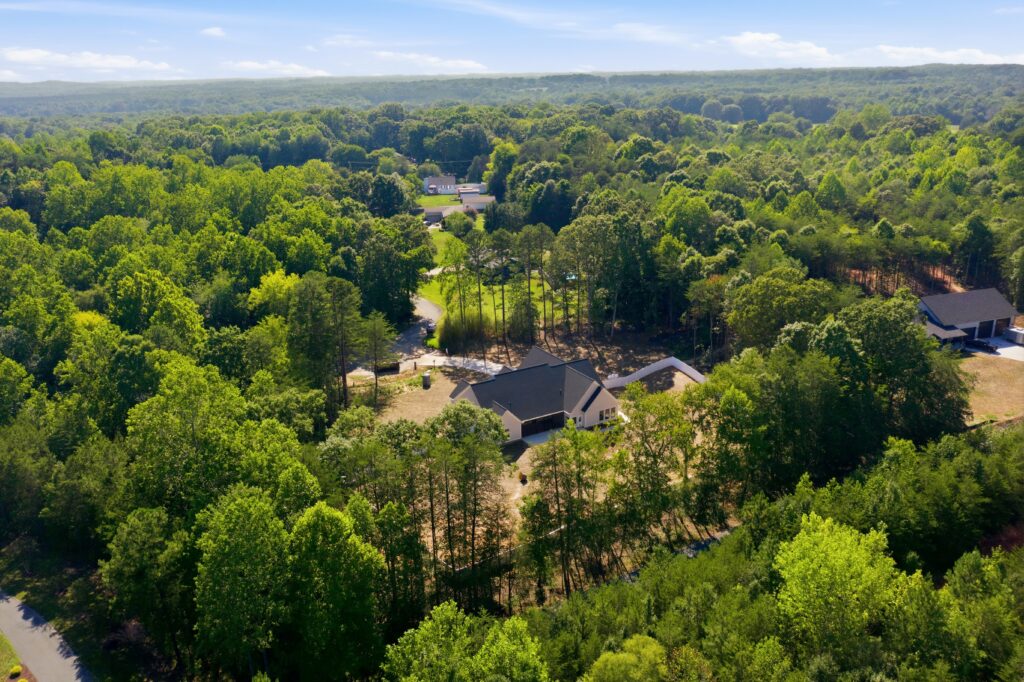
A cleared lot is ready for construction with minimal site work. A wooded lot requires clearing before grading or foundation work can begin. The cost difference between a cleared and heavily wooded lot is significant.
A lightly wooded lot with small trees might cost $4,000 to $8,000 to clear. A heavily forested parcel with mature hardwoods, common throughout the rural parts of the Lake Norman region, can cost $20,000 to $35,000 or more to clear properly.
Stump removal adds cost beyond clearing. Stumps within the building footprint or driveway path require full removal, not just surface grinding. That additional step affects both cost and schedule.
How Lot Conditions Affect Custom Home Cost Through Utility Access
Municipal Utilities vs Well and Septic
Utility access is one of the most dramatic drivers of how lot conditions affect custom home cost. A developed lot in an established Cornelius or Denver neighborhood likely has water, sewer, and electric stubbed to the property line. Connection fees are real but predictable.
A rural lot in Maiden, Iron Station, or Sherrills Ford may require a well, a septic system, and a long underground electric run. Well installation runs $6,000 to $15,000. Conventional septic installation runs $8,000 to $18,000. An engineered septic system for poor-perc soil can run $20,000 to $35,000. A long electric run from a distant transformer can add $10,000 to $30,000 or more depending on distance.
The difference in utility costs between a prepared suburban lot and a rural parcel without infrastructure can easily exceed $60,000. That number belongs in the budget before land is purchased, not after.
Easements and Access
Some lots are accessed by shared easements or private roads. These arrangements add complexity around maintenance responsibility, access rights during construction, and sometimes additional legal review before building can proceed.
Lots without direct road frontage may require a new driveway across an easement area. Long driveways in rural areas become a meaningful cost line on their own. We evaluate access conditions on every lot before any budget is assembled.
Flood Zones and Environmental Constraints
FEMA Flood Zone Designation
Lots within FEMA-designated flood zones carry additional requirements. Homes in flood zones must meet minimum finished floor elevations, often requiring elevated foundations. Elevation certificates are required. Flood insurance adds to the long-term cost of ownership.
Some lakefront and low-lying lots around Lake Norman fall within flood zone designations. Identifying flood zone status before purchasing land prevents the design complications and cost implications from arriving as surprises after closing.
Wetlands and Shoreline Buffers
Lots with wetlands or shoreline buffer requirements face restrictions on where grading and construction can occur. These restrictions reduce the buildable area of the lot and can affect whether the home size planned will actually fit.
A lot that appears adequate on a plat may have significant unbuildable area once wetland delineation and buffer requirements are mapped. We identify these constraints during site evaluation so design decisions reflect the actual buildable envelope.
Permitting Variation Across the Region
How lot conditions affect custom home cost isn’t limited to physical site characteristics. The county and municipality where the lot sits affects permitting cost, timeline, and complexity.
Lincoln County and Iredell County each have separate permitting offices, fee schedules, and inspection requirements. Some municipalities within those counties add additional overlay requirements. A lot in Davidson carries different regulatory context than a lot in Lincolnton.
Understanding permitting requirements and fees for a specific lot before purchase allows accurate total cost planning. We evaluate the regulatory context for every build on your own lot project before any budget is finalized.
For families exploring how all of these factors connect to the full build on your own lot process, our complete build on your own lot resource covers site evaluation, design, permitting, and construction in practical detail.
What a Proper Site Evaluation Examines
A thorough site evaluation before purchase or before finalizing a budget examines terrain and grade changes, soil type and bearing capacity, tree coverage and clearing requirements, utility access points and distance, flood zone designation, wetland and buffer conditions, and county-specific permitting requirements.
Each factor affects cost. Missing any of them in early planning means discovering them mid-project, always at higher cost and under more pressure. We conduct full site evaluations before any project budget is presented to a client.
The National Association of Home Builders publishes resources on land development and site preparation costs that provide useful national context alongside the Lake Norman-specific conditions covered here.
For county-specific permitting information, the NC Licensing Board for General Contractors provides builder credential verification and can help homeowners understand the licensing requirements that govern site work and construction in North Carolina.
Frequently Asked Questions
How do lot conditions affect custom home cost in the Lake Norman area?
Lot conditions affect cost through terrain grading, soil bearing capacity, tree clearing, utility access, flood zone requirements, and county permitting complexity. Rural lots typically carry higher site costs than prepared suburban parcels.
How much can a sloped lot add to a custom home build cost?
Significant grading, retaining walls, and engineered foundations on sloped lots can add $25,000 to $60,000 or more in site preparation costs compared to a flat, prepared lot.
Does tree clearing significantly affect build on your own lot costs?
Yes. A heavily wooded lot can cost $20,000 to $35,000 or more to clear. Stump removal within the building footprint adds additional cost beyond basic clearing work.
Why does utility access affect custom home cost so much?
Rural lots without municipal water and sewer require well and septic installation, often $25,000 to $60,000 combined. Long electric runs from distant transformers add further cost.
Should I evaluate lot conditions before purchasing land to build on?
Absolutely. Evaluating terrain, soil, utilities, flood zones, and permitting before purchase reveals the true total cost of building on a specific lot, not just the land purchase price.
Know What the Land Will Cost Before You Buy It
How lot conditions affect custom home cost is a question that deserves an answer before land is purchased, not after. Terrain, soil, utilities, tree coverage, flood zones, and permitting all shape the total project budget in ways that the land’s listing price never reveals.
Next Horizon Homes has evaluated and built on lots across the Lake Norman region for over 22 years. We know what each type of site condition costs and how to assess those conditions honestly before any commitment is made.
When you’re ready to get a real assessment of a lot you’re considering, reach out to our team and let’s evaluate what building on that land will actually require.