Buyer's guide · Lake Norman, NC
Buying a Custom Built Home in Lake Norman, NC: The Complete Buyer's Guide
Buying a custom built home isn't like buying a house off the market. You are buying a process, a team, and a contract, months before there's anything to walk through. This guide covers the decisions, the contract terms, and the mistakes that matter most.
📍 Denver, NC · Mooresville · Cornelius · Huntersville · Sherrills Ford · Lincolnton
- Free first consultation
- Itemized pricing
- Remote-friendly for relocators
- NC GC License #82063
- Veteran-owned
- NAHB member
- Lake Norman HBA member
- 1-2-10 warranty, insurance-backed
- Design Center: Denver, NC 28037
Short answer
Buying a custom built home means choosing land, a builder, and a design, then signing a construction contract before the home exists. The steps are: set a total budget that includes site and soft costs, secure or confirm buildable land, choose a licensed builder, design and price the home, sign a contract with clear allowances and change-order rules, make selections, attend key walkthroughs during construction, and close out with final inspections, a Certificate of Occupancy, and a warranty review. In North Carolina, also confirm the builder's general contractor license and that a lien agent is designated for the project.
Key takeaways
- Buying a custom built home means signing a contract months before the house exists, so the contract terms matter most.
- Budget for land, site work, soft costs, and a contingency, not just the house.
- In North Carolina, confirm the builder's license and that a lien agent is designated.
- Attend the pre-drywall walkthrough. It's the last cheap chance to move outlets or add blocking.
- Relocating buyers can run most of the process remotely with scheduled Zoom updates.
Custom built vs. new spec home vs. existing home
| Custom built home | New spec or production home | Existing home | |
|---|---|---|---|
| Time to move in | Longest: design, permitting, then construction | Weeks to months | Fastest, often 30 to 60 days to close |
| Control over layout and finishes | Full | Limited to builder options | None without renovating |
| Location choice | Any buildable land you own or buy | Builder's communities only | What is listed for sale |
| Price certainty upfront | Depends on contract type and allowances | High | High, plus inspection findings |
| Near-term maintenance | Low, with everything new and under warranty | Low | Depends on age and condition |
| Energy performance | Built to current code or better | Built to current code | Varies widely |
Is buying a custom built home right for you?
Custom tends to be the right call when most of these are true:
- You already own land, or the right existing home isn't available where you want to live.
- You plan to stay long enough to benefit from a home designed around you.
- You have specific needs a stock home rarely meets: main-level living, multi-generational space, a workshop, a walkout to the water.
- You can live where you are now during design and construction.
- You want to choose the people building your home, not just the house.
If you need to move in within a few months, a finished home is usually the better fit.
The nine decisions in buying a custom built home
Set your all-in budget
One number that covers land, site work, the house, soft costs, and a contingency. The house is only part of it. See the soft-cost list below.
Design meetings can happen in person or over Zoom. Secure buildable land
If you're buying land, have a builder walk it before you close. Access, septic or sewer, water, zoning, and lake watershed rules all affect what you can build. Our land guide covers each one.
Choose your builder
Verify the license, warranty backing, and references. Above all, decide whether you trust the people. You will work with them for most of a year. See what top custom home builders have in common.
Start from a plan or a blank page
Adapting a proven plan is faster and usually costs less to design. Designing from scratch makes sense for unusual lots or very specific needs.
Choose the contract model
Fixed price, cost-plus, or a guaranteed maximum price. This decides who carries the risk if costs change. Our builder pricing guide compares them.
Make selections early
Cabinets, tile, fixtures, lighting, flooring, and appliances. Decisions made before construction keep the schedule. Decisions made after rough-in can cost both time and money.
Approve the schedule and payment milestones
Payments should follow completed stages of work, not dates on a calendar.
Attend the key walkthroughs
A pre-construction meeting, a pre-drywall walk, and a final walkthrough are the minimum.
Close out properly
Certificate of Occupancy, punch list completion, systems orientation, manuals, and a written warranty review.
Budget items buyers forget
The quote for the house is not the whole cost of a custom home. Plan for these soft and site costs from the first conversation:
| Category | Items |
|---|---|
| Before design | Boundary and topographic survey, soil and septic evaluation, title work on land |
| Design | Plans and elevations, structural engineering where required, site plan |
| Approvals | Building permit, septic permits or sewer tap fee, water tap or well, driveway permit, HOA review fees or construction deposits |
| Site | Clearing, grading, driveway, utility runs, erosion control, retaining walls |
| Protection | Builder's risk insurance (confirm who carries it), homeowner's insurance at completion |
| Finishing touches | Landscaping and irrigation, window treatments, fencing, furniture for new rooms |
| Lake extras | Dock or pier and Duke Energy permitting, boat lift, shoreline stabilization |
| Living costs | Rent or carrying your current home during the build, moving, storage |
We recommend holding a contingency on top of the contract. The right size depends on how settled your selections are and how much is unknown about the site.
Contract terms to read twice
- Scope and plans. The contract should reference the specific plan set and specifications, by date or version.
- Allowances. The dollar amount for each allowance, whether it covers labor, and how overages and credits are handled.
- Change orders. How changes are priced, any markup, and the rule that you approve the price before work proceeds.
- Payment schedule. Payments tied to completed milestones such as foundation, dry-in, rough-in, drywall, and completion.
- Price escalation. Whether material price increases can be passed through, and with what limits.
- Schedule. The estimated timeline, and what counts as an excusable delay.
- Lien protection. North Carolina's lien agent law (N.C.G.S. 44A-11.1) generally requires a lien agent to be designated for projects of $40,000 or more. Ask your builder to confirm it's in place, and ask for lien waivers with payments.
- Warranty. What is covered for how long, who backs it, and how claims and disputes are handled.
- Insurance. Builder's general liability and builder's risk coverage during construction.
The walkthroughs that protect you
| Walkthrough | When | What to look at |
|---|---|---|
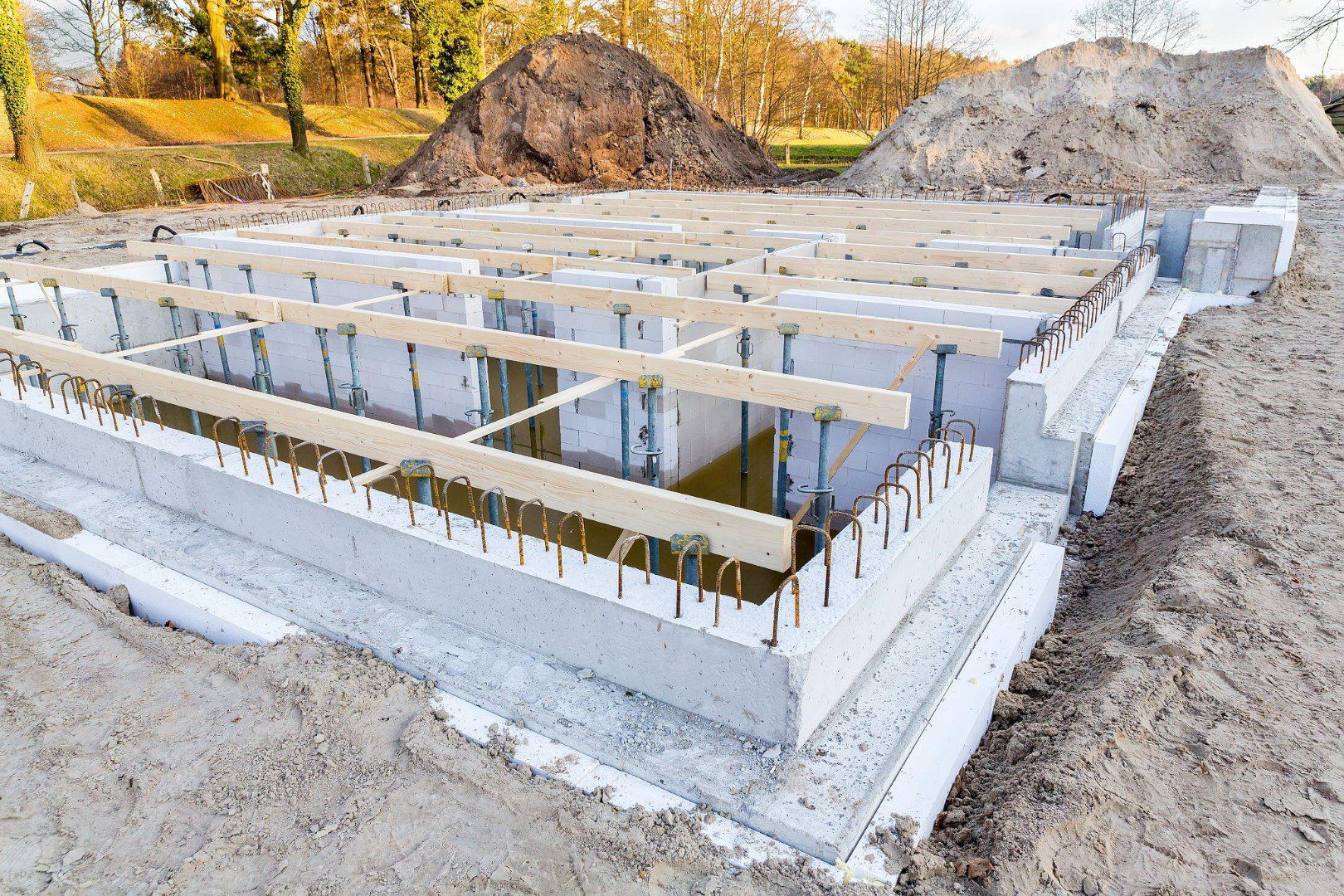
| Pre-construction | Before site work | House stakeout, tree protection, driveway route, final placement on the lot |
| Framing | After dry-in | Room sizes, window locations, ceiling heights, blocking for TVs, shelves, and grab bars |
| Pre-drywall | After rough-ins and insulation | Outlet, switch, and light locations, low-voltage runs, plumbing locations. Take photos of every wall. |
| Final walkthrough | Before closeout | Finishes, function of every fixture and appliance, punch list items |
| Warranty check-in | Months after move-in | Settling cracks, door adjustments, caulk lines, system performance |
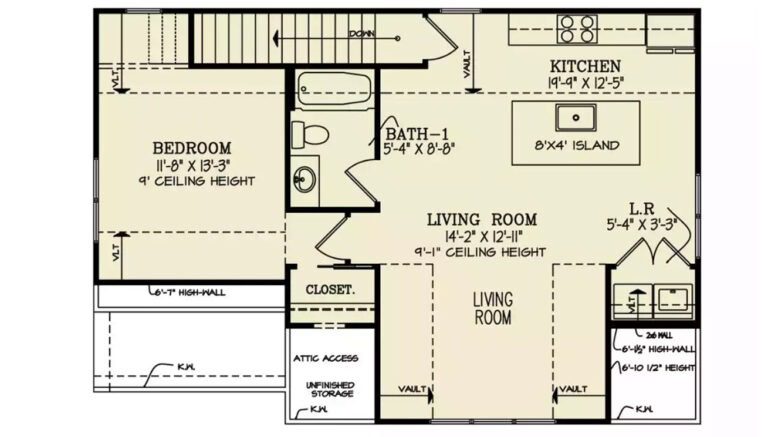
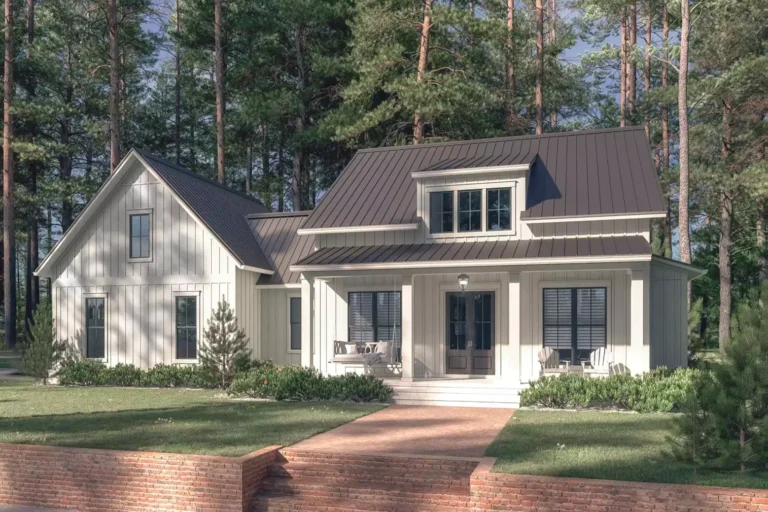
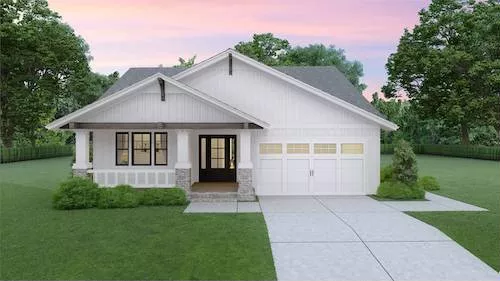
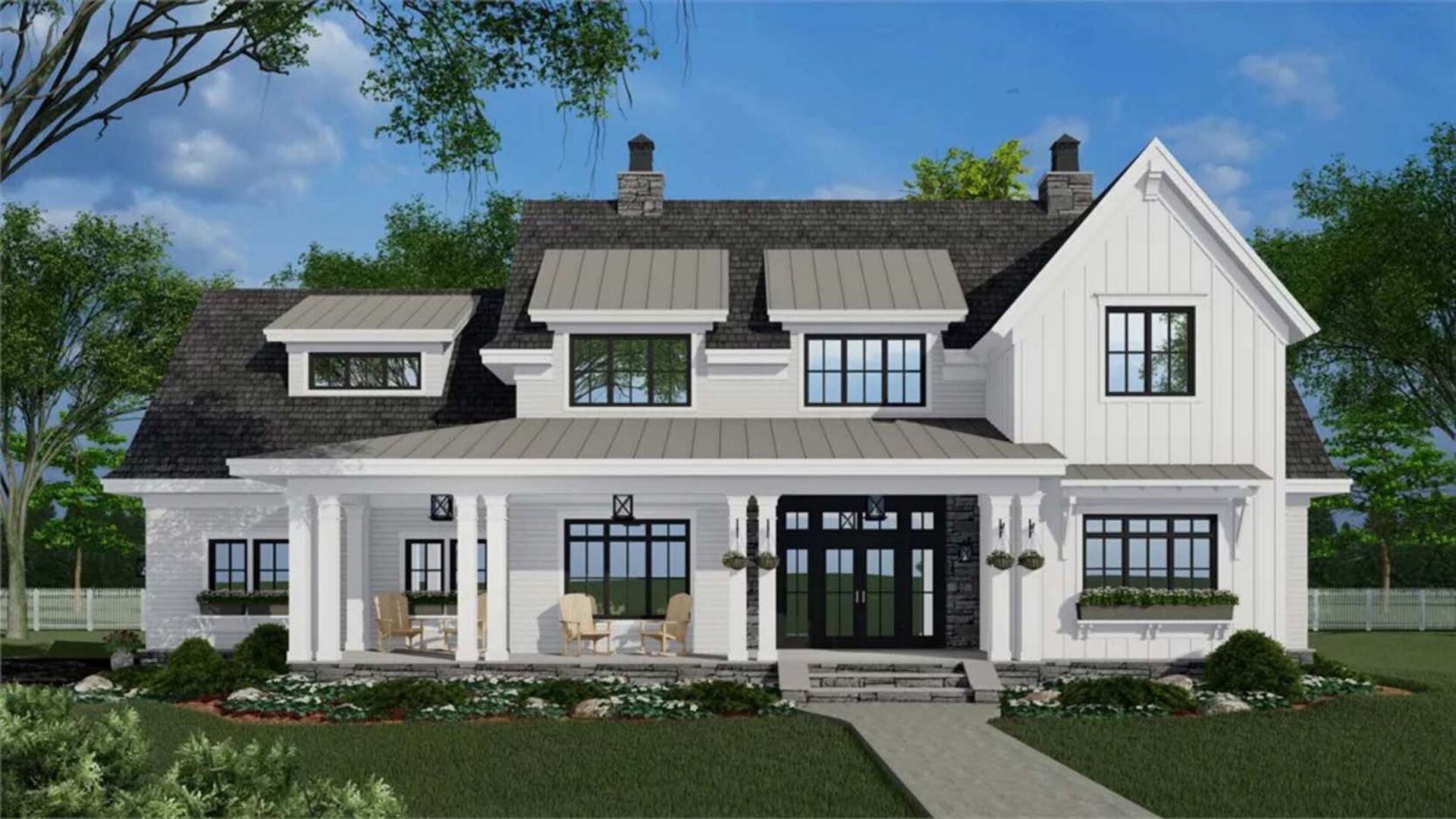
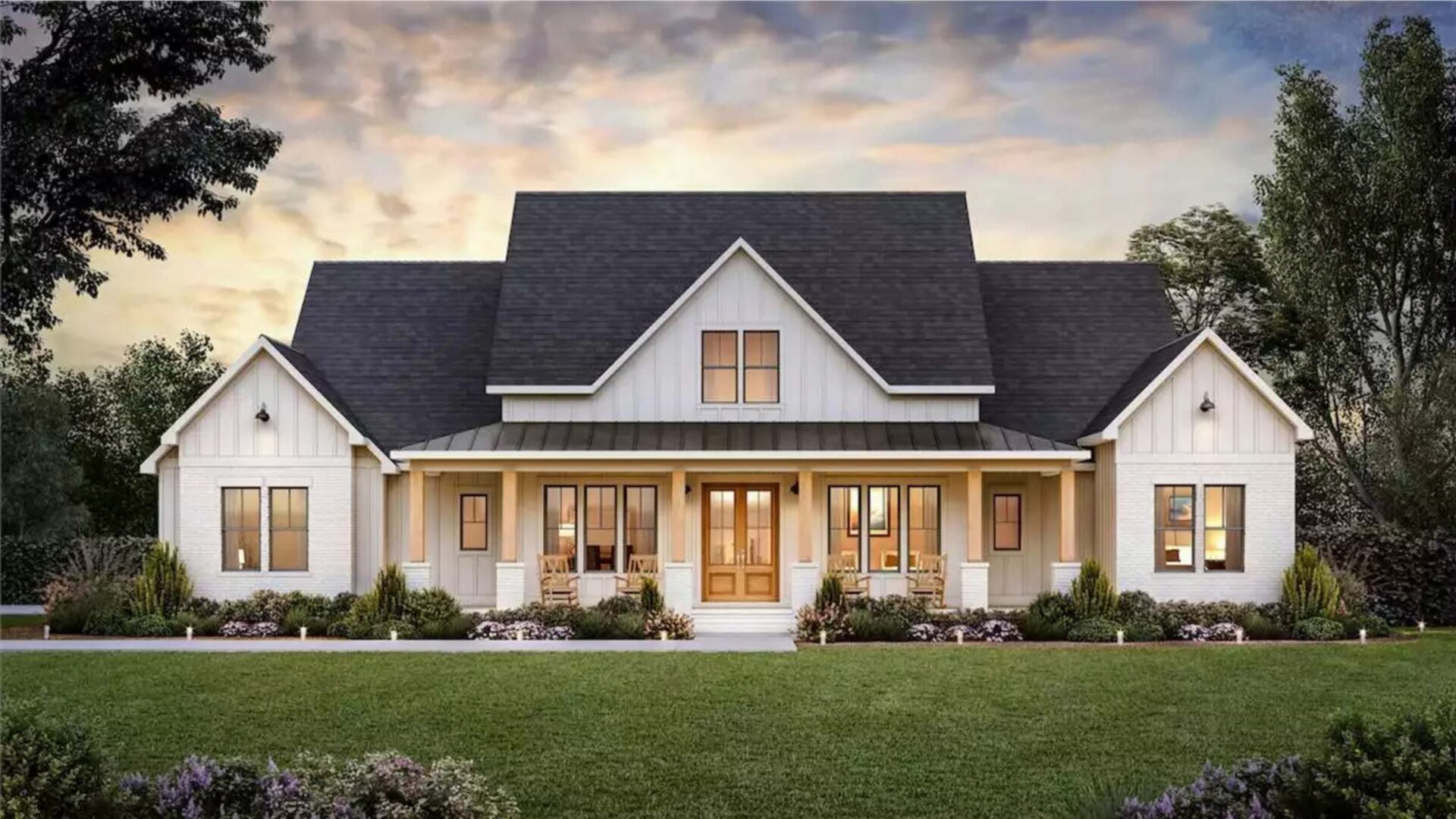
Plans From Your Local Denver, NC Builder
These plans are adapted by the same Denver, NC team that builds them across Lake Norman. Pick one as your starting point and we'll fit it to your property.
Under 2,000 sq ft
2,000 to 2,500 sq ft
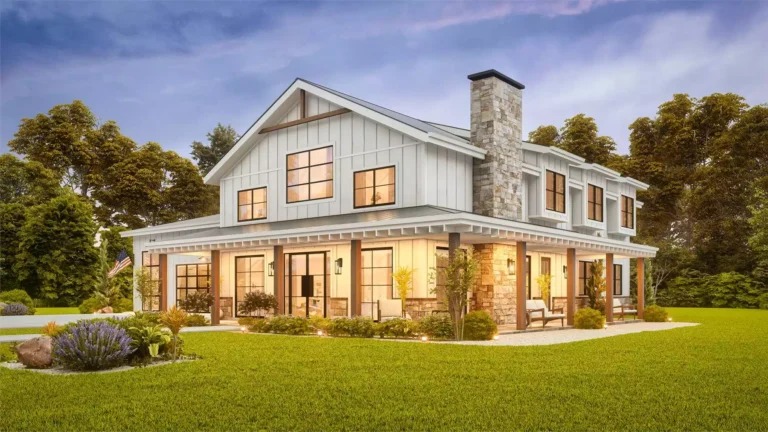
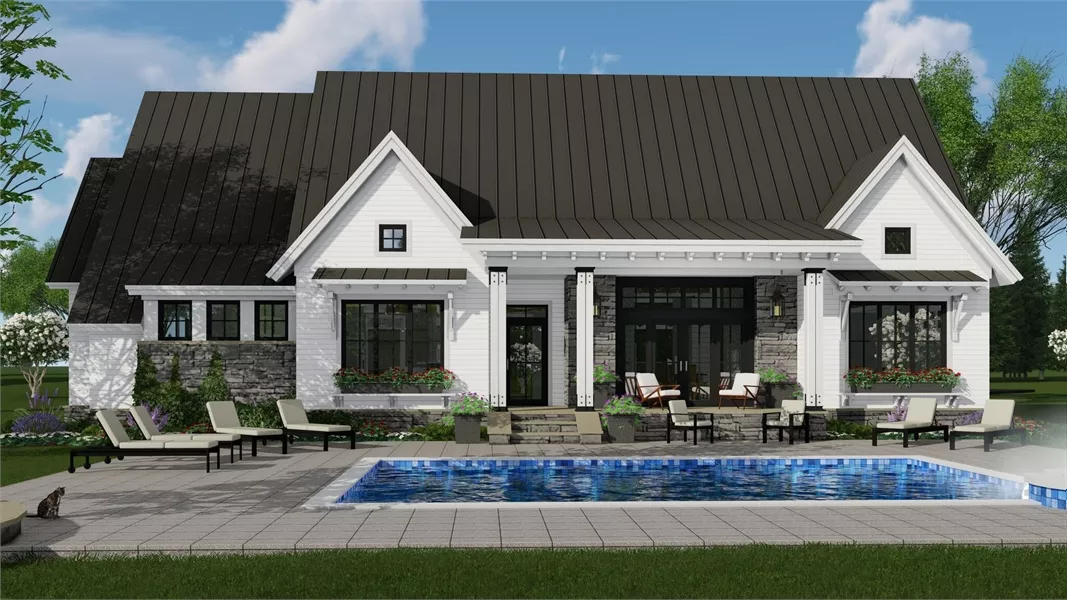
2,500 sq ft and up
Buying a custom home in Lake Norman from out of state
Lake Norman draws a lot of buyers relocating from other states, often with land bought before the move. If that's you:
- Have the land walked by a builder before you close. We'll send photos and video if you can't attend.
- Do the initial consultation and design meetings by phone or Zoom.
- Expect bi-weekly Zoom updates on progress, budget, and timeline.
- Consider an optional job-site camera, about $50 a month, to watch progress 24/7.
- Plan in-person visits around the pre-drywall walk and the final walkthrough. Those two matter most.
- Keep one point of contact for everything, so nothing falls between time zones.
Seven mistakes buyers make with custom homes
Budgeting for the house but not the site
Septic, wells, driveways, and grading can be a large share of the total on raw land.
Buying land before checking it
A builder's walk before closing costs little and can save a lot.
Choosing on the lowest bid
Low bids usually have low allowances or missing scope. Compare like for like.
Making selections late
Late decisions cause delays and change orders.
Skipping the pre-drywall walk
It's the last cheap chance to move outlets, add blocking, or reroute wiring.
Not reading the warranty
Know what's covered in years 1, 2, and 10 before you sign, not after.
Underestimating outdoor living
Porches and patios are where lake homes are lived in. Near the lake they also count toward watershed hard-surface limits, so plan them early.
Choosing where to build: a buyer's view of each Lake Norman community
Where you build shapes your daily life as much as the floor plan. Here is how buyers usually weigh each area we serve. When you've narrowed it down, our local builder guide covers each town in more depth.
Denver, NC
Lincoln County · 28037
Denver, NC (28037) appeals to buyers who want lake access and room to breathe on the west shore. NC-16 runs south toward Charlotte, and NC-73 crosses the lake at Cowans Ford Dam toward Huntersville.
Custom homes in Denver, NC →Sherrills Ford, NC
Catawba County
Sherrills Ford suits buyers who want a quieter peninsula setting on the lake. NC-150 crosses the lake toward Mooresville, linking the two shores.
Custom homes in Sherrills Ford, NC →Lincolnton, NC
Lincoln County
Lincolnton suits buyers who want acreage, a small-city downtown, and a lower-key pace, with US-321 for regional travel.
Custom homes in Lincolnton, NC →Iron Station, NC
Lincoln County
Iron Station draws buyers who want rural land between Denver, NC and Lincolnton, with room for gardens, animals, or a shop.
Custom homes in Iron Station, NC →Maiden, NC
Catawba & Lincoln Counties
Maiden appeals to buyers who want small-town living within reach of both Hickory and Lake Norman.
Custom homes in Maiden, NC →Mooresville, NC
Iredell County
Mooresville offers lake living with a full range of shopping, dining, and services, and direct access to I-77.
Custom homes in Mooresville, NC →Cornelius, NC
Mecklenburg County
Cornelius puts buyers on the southeast shore with I-77 access and a short drive to Charlotte. Lots are smaller and more valuable, so many buyers build after a teardown.
Custom homes in Cornelius, NC →Huntersville, NC
Mecklenburg County
Huntersville combines lake-adjacent neighborhoods with larger suburban parcels and I-77 access, which makes it popular with families.
Custom homes in Huntersville, NC →Davidson, NC
Mecklenburg County
Davidson attracts buyers who want a walkable college town, home to Davidson College, with lake access nearby.
Custom homes in Davidson, NC →Lake Hickory area
Catawba County
The Lake Hickory area suits buyers who want lake living on a quieter reservoir northwest of Lake Norman.
Custom homes in Lake Hickory area →
Buying a custom built home: FAQs
What are the steps to buying a custom built home?
Set an all-in budget, secure buildable land, choose a licensed builder, start from a plan or a blank page, choose the contract model, make selections, approve the schedule and payment milestones, attend walkthroughs during construction, and close out with final inspections, the Certificate of Occupancy, and a warranty review.
Is it better to buy an existing home or a custom built home?
An existing home is faster and its price is known upfront. A custom built home takes longer but gives you control over location, layout, finishes, and energy performance, with everything new and under warranty. The right choice depends on your timeline and how specific your needs are.
What should a custom home contract include?
The plan set and specifications, itemized allowances, change-order pricing rules, a milestone payment schedule, any price-escalation terms, an estimated timeline, insurance, lien protections, and the written warranty.
Can I buy a custom built home if I live out of state?
Yes. Many of our clients relocate to Lake Norman. Consultations and design meetings can happen by Zoom, progress updates come every two weeks, and an optional job-site camera lets you watch the build remotely.
What hidden costs come with buying a custom built home?
Surveys, soil and septic evaluation, permits and tap fees, site work, builder's risk insurance, landscaping, window treatments, and living costs during construction. Lake properties may also need dock permitting and shoreline work.
What is a lien agent in North Carolina?
A lien agent is a title company designated for a construction project so subcontractors and suppliers can give notice of their lien rights. North Carolina law generally requires one on projects of $40,000 or more. It helps protect an owner who pays the builder from later claims by unpaid subcontractors.
Which Lake Norman town is best for building a custom home?
It depends on what you value. Denver, NC and Sherrills Ford offer west-shore lake living and more land. Mooresville, Cornelius, and Huntersville offer I-77 access and more services. Lincolnton, Iron Station, and Maiden offer acreage and a quieter pace. Davidson offers a walkable college town.
Can I buy land in Mooresville or Denver, NC before moving there?
Yes. We'll walk the land before you close and send photos and video if you can't attend, so you know what it supports before you buy.
Sources and references
Thinking about buying a custom built home?
Start with a free, no-obligation conversation by phone or Zoom. You'll get ballpark ranges and a clear picture of the process.