Land builds · Lincoln, Catawba, Iredell & Mecklenburg Counties
Build on Your Own Land Near Lake Norman, NC
You own the land. We find out what it can hold, then design and build a custom home that fits the ground, the rules, and the way you want to live. Every land build starts with the owner walking your property.
📍 Denver, NC · Mooresville · Cornelius · Huntersville · Sherrills Ford · Lincolnton
- Veteran-owned
- 22+ years around Lake Norman
- NC GC License #82063
- 1-2-10 warranty
- NC GC License #82063
- Veteran-owned
- NAHB member
- Lake Norman HBA member
- 1-2-10 warranty, insurance-backed
- Design Center: Denver, NC 28037
Short answer
Yes, you can build a custom home on land you already own near Lake Norman, and almost every parcel is buildable once five things are confirmed: legal road access, a way to handle wastewater (county sewer or a permitted septic system), a water source (county water or a well), the zoning and setbacks for that county, and any Lake Norman watershed or shoreline limits. Next Horizon Homes checks all five on a site walk, then designs the house around what the land allows. That way you know your real options before you pay for plans.
Key takeaways
- Almost every parcel around Lake Norman is buildable once access, wastewater, water, zoning, and lake rules are confirmed.
- Lake buffers are measured from the 760-foot full pond line, and low-density rules cap hard surfaces near 24% of the lot.
- Septic permitting in North Carolina runs Improvement Permit → Construction Authorization → Operation Permit.
- Which county your land sits in (Lincoln, Catawba, Iredell, or Mecklenburg) decides who issues your permits.
- Walk the land with a builder before you buy or pay for plans.
What "building on your own land" actually means
Building on your own land means you hold the deed to the property before a builder is involved. Your builder's job is to turn that parcel into a finished home. That is different from buying a house-and-lot package from a production builder, where the land, the plan, and often the finishes are chosen for you.
Around Lake Norman, land owners usually fall into one of these situations:
- Acreage or rural tracts in western Lincoln County, Catawba County, or the Lincolnton and Iron Station areas. These often come with no public sewer, so a septic system and a well enter the picture.
- Family or inherited land that has never been surveyed for a house, or was last surveyed decades ago.
- A waterfront or water-view parcel on the lake, where Duke Energy's shoreline rules and the county watershed rules shape where the house can go.
- Land with an older house on it that you want to tear down and replace.
- A lot inside a planned community with an HOA. That case has its own rules. See our guide to building on your own lot in a Lake Norman community.
In every case, the order of work matters. You confirm what the land allows first, and you choose or draw a plan second. Owners who do it in the reverse order often pay for plans twice.
The five questions that decide if your land is buildable
We work through these on every site walk. Each one can change the budget, the footprint, or where the house sits. Very few of them stop a project outright.
1. Is there legal access?
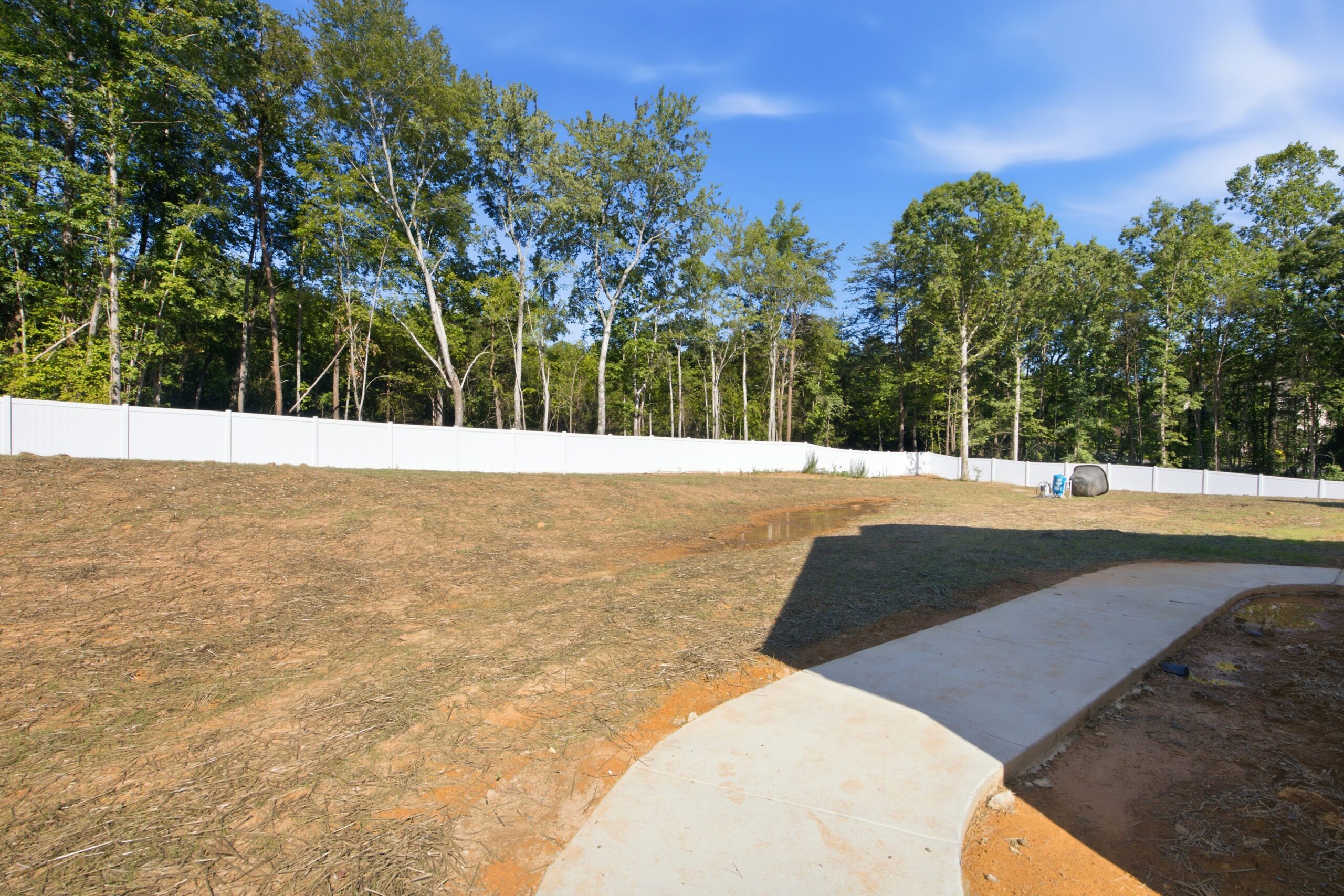
The parcel needs frontage on a public road or a recorded easement that gives you the right to cross someone else's land. A dirt path the family has always used is not the same as a recorded easement. Lenders, title companies, and the county permit office all look for the recorded document. If the property connects to a state-maintained road, the driveway connection also needs an NCDOT driveway permit.
2. Where will wastewater go?
If county or town sewer reaches the property, you pay a tap or connection fee and connect. If it does not, you need an on-site septic system permitted by the county health department. In North Carolina that happens in three stages:
Improvement Permit
A soil and site evaluation (soil borings or pits) shows whether the ground can absorb wastewater and where the system and its required repair area can go. It is issued by the county or supported by a licensed soil scientist.
Construction Authorization
This sets the system type, the trench layout, and the tank size for the house you plan to build. System size is tied to the design flow of the house, which is largely driven by the number of bedrooms.
Operation Permit
Issued after the system is installed and inspected against the Construction Authorization.
The septic area is one of the biggest drivers of where the house can go. If you change the footprint or add bedrooms after the permit is issued, you may have to permit again. That is why we pin down the plan and the septic layout together.
3. Where will water come from?
The options are a county water line at the road, a water main extension, or a private well. A well has to keep required distances from the septic field, so the two are planned on the same site plan. In the Piedmont, well depth varies a lot from parcel to parcel, so treat well cost as a range until the well is drilled.
4. What do zoning and setbacks allow?
Each county, and each town inside it, sets minimum lot sizes, front, side, and rear setbacks, height limits, and accessory-structure rules. Lincoln, Catawba, Iredell, and Mecklenburg each run their own permit offices. Mooresville, Cornelius, Huntersville, and Davidson add town-level rules on top. We confirm the zoning district before any design work so the footprint is drawn inside the real buildable envelope.
5. Do Lake Norman watershed or shoreline rules apply?
Much of the land around the lake sits in a protected water-supply watershed. Under those rules, buffers are measured horizontally from the lake's full pond elevation of 760 feet above sea level. Low-density development is generally limited to about 24% built-upon area (roof, driveway, patios, and other hard surfaces). Going above that usually requires engineered stormwater controls. Buffer widths vary by jurisdiction. In the Mecklenburg towns, for example, low-density buffers run 30 to 50 feet.
On waterfront parcels, Duke Energy also manages the shoreline inside its project boundary. A pier, dock, or shoreline stabilization needs a Duke Energy Lake Services permit, and vegetated buffer land within the project boundary has to stay vegetated. After a home is built, Duke may approve limited clearing for a view corridor, but only after you consult with Lake Services.
Your land type, the usual challenges, and how we design for them
| Land type | Common challenges | What we check on the site walk | How the design responds |
|---|---|---|---|
| Waterfront parcel | Buffers from the 760 ft contour, built-upon area limits, steep banks, Duke Energy shoreline permits | Distance to full pond, slope to water, existing pier or dock permits, tree cover | Lake-facing rooms, walkout lower levels, porches placed to stay inside hard-surface limits |
| Wooded acreage | Clearing cost, long driveways, septic field siting, utility runs | Best house pad, driveway route, likely septic areas, power line distance | House placed to save mature trees and shorten driveway and utility runs |
| Open pasture or farmland | Wind and sun exposure, drainage, previous agricultural use | Drainage patterns, low spots, orientation for sun | Orientation for morning light and summer shade, deeper porches, landscape screening |
| Sloped lot | Grading, retaining walls, foundation height, rock | Grade change across the footprint, signs of rock, runoff path | Walkout basement or stepped crawlspace instead of fighting the grade |
| Infill lot or teardown | Demolition, old septic or well abandonment, neighbor setbacks, tree protection | Existing footprint vs. current setbacks, utility condition, access for equipment | New home on the same or an improved footprint if setbacks allow |
How the four Lake Norman counties differ
Lake Norman touches four counties. The lake itself covers about 32,500 acres and has roughly 520 miles of shoreline. Which side of the lake your land is on changes the permit office, how likely you are to have sewer, and which local rules apply.
| County | Communities we build in | What landowners usually run into |
|---|---|---|
| Lincoln | Denver, Lincolnton, Iron Station | The west side of the lake, home to our Design Center in Denver. A mix of waterfront and rural acreage. Septic and wells are common away from the NC-16 corridor. |
| Catawba | Sherrills Ford, Maiden, the Lake Hickory area | Peninsula lots on the northwest shore and larger rural tracts. Watershed rules apply near the water, and well and septic planning is common. |
| Iredell | Mooresville | The town and county have separate permitting depending on jurisdiction. Many peninsula and cove lots. Town sewer is more likely inside town limits. |
| Mecklenburg | Cornelius, Huntersville, Davidson | Smaller, higher-value lots. Town buffer and built-upon area rules on lake parcels. Teardown and rebuild projects are more common. |
Timeline: from first call to move-in
Every land build follows the same seven-step process. How long each step takes depends mostly on the site and on permitting.
Site walk and vision conversation
Matt walks the land with you. You leave with a clear read on access, utilities, likely septic areas, and where the house wants to sit.
Design and discovery
Land evaluation, feasibility against your budget, sketches, floor plan and elevations, and allowances for major selections. This step typically costs $500 to $2,500 depending on scope.
Sign the construction agreement
You get a detailed cost analysis, a payment schedule tied to milestones, and a project timeline. Most clients put down a $5,000 to $30,000 deposit, which covers construction drawings, permit fees, and a site plan if one is needed.
Permits and county approvals
Zoning verification, building permit, health department (septic) approvals, HOA or covenant review if any, and utility connection permits.
Construction
Site work, foundation, framing, systems, and finishes, with bi-weekly progress, budget, and timeline updates. Most builds take about 4 to 8 months of construction once permits are in hand, depending on size, site, and selections.
Certificate of Occupancy
Final inspections, punch list, and systems orientation. You receive owner's manuals and a digital record of every selection and paint color.
Move-in and celebration
We host a housewarming for you, your family, and the crew who built the home.
What building on your land costs
Every land build has two cost centers: the site and the house. The house side depends on size, design, and finishes, and you control most of it. The site side depends on the land, and it is the part that varies most from one property to the next. That is why we don't quote a price until the site has been evaluated and the design is drawn. A number given before then is a guess.
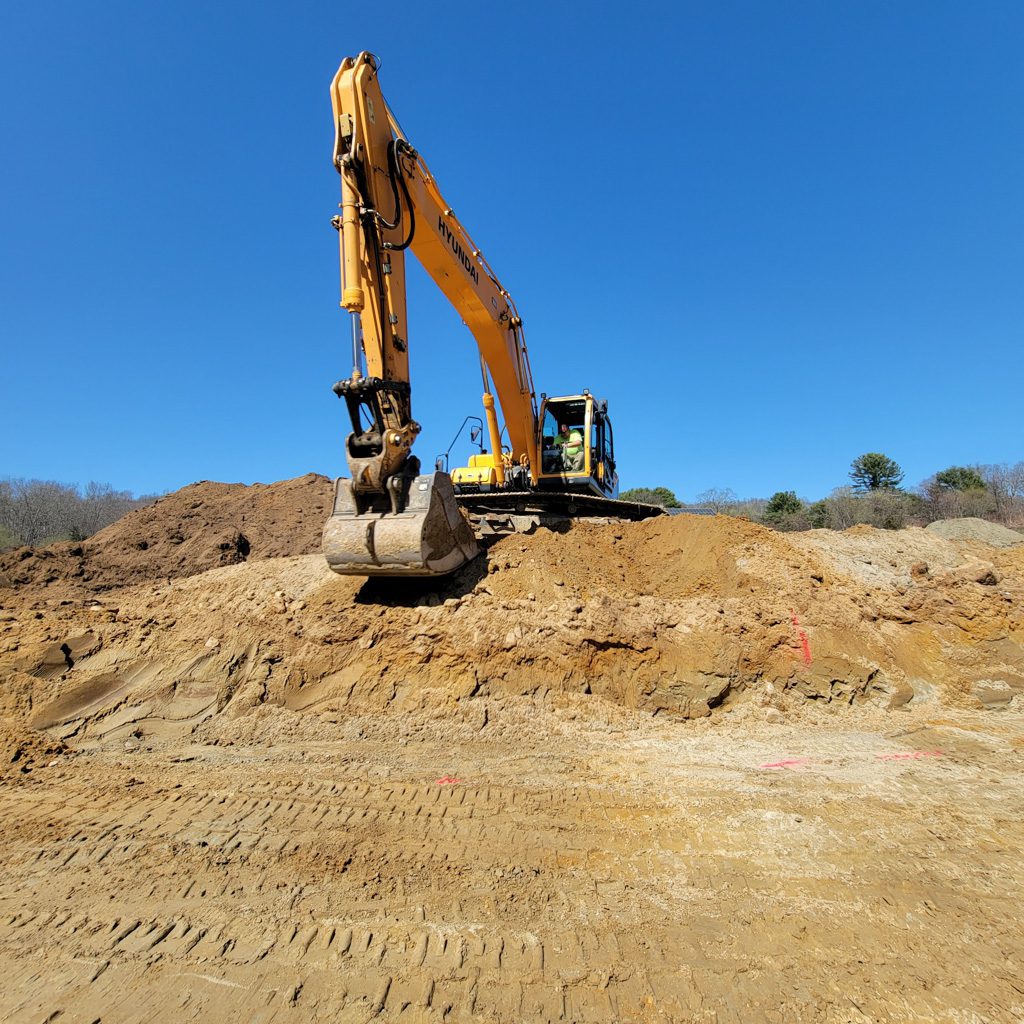
The site-cost items to plan for on raw land:
- Survey, and a topographic survey on sloped or waterfront land
- Soil evaluation and septic permitting, then septic installation, or a sewer tap fee
- Well drilling and pump, or a water tap or main extension
- Clearing, tree removal, and grading for the house pad
- Driveway, including an NCDOT driveway permit on state roads
- Power, and gas if available, run from the road to the house
- Erosion and sediment control during construction
- Retaining walls or extra foundation height on sloped lots
- Demolition and abandonment of an old well or septic tank on teardowns
For how builders put a price together and how to compare quotes, see custom home builder prices. For a stage-by-stage cost breakdown with national data, see custom built home cost.
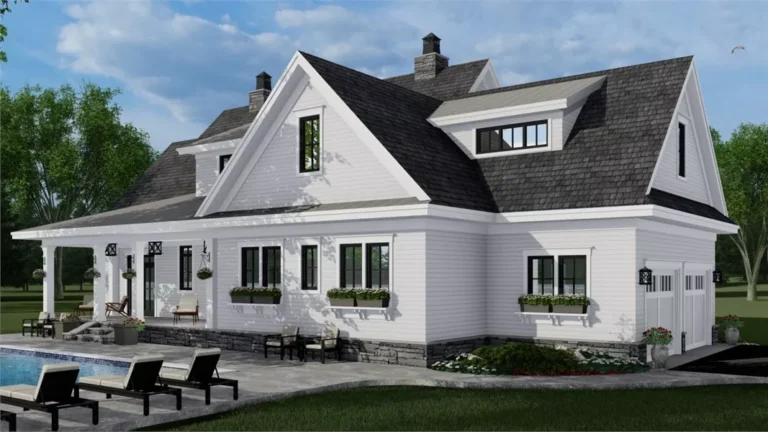
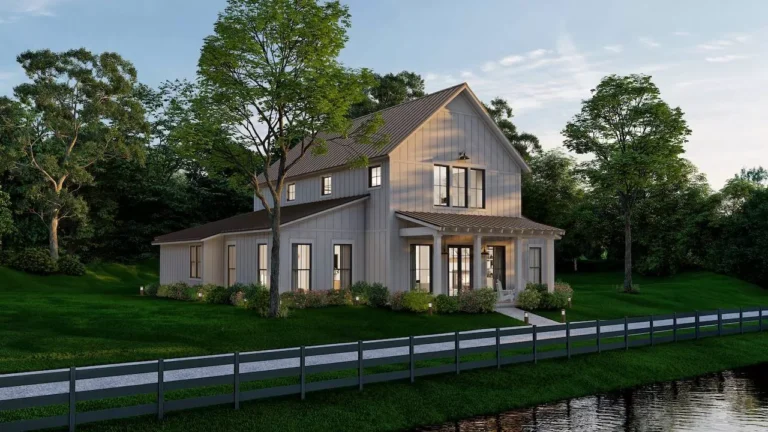
Start From One of Our Plans
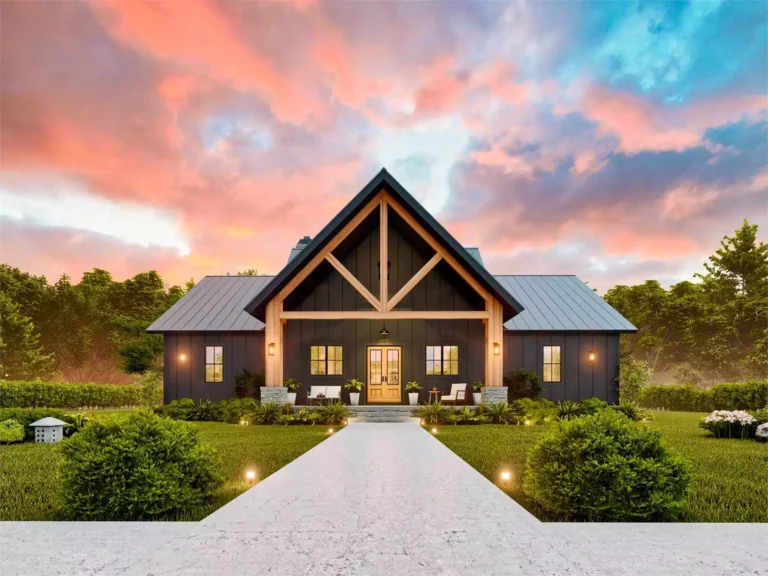
If you'd rather not start from a blank page, these plans are a common starting point for landowners. Kharla Dayrit adapts each one to your lot's slope, setbacks and septic location before anything is final.
Under 2,000 sq ft
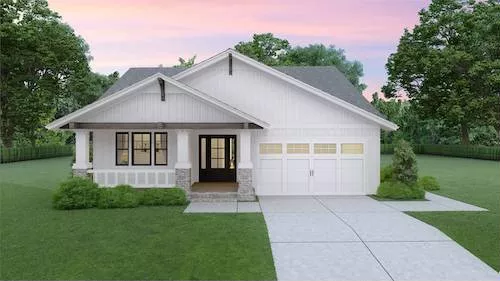
2,000 to 2,500 sq ft

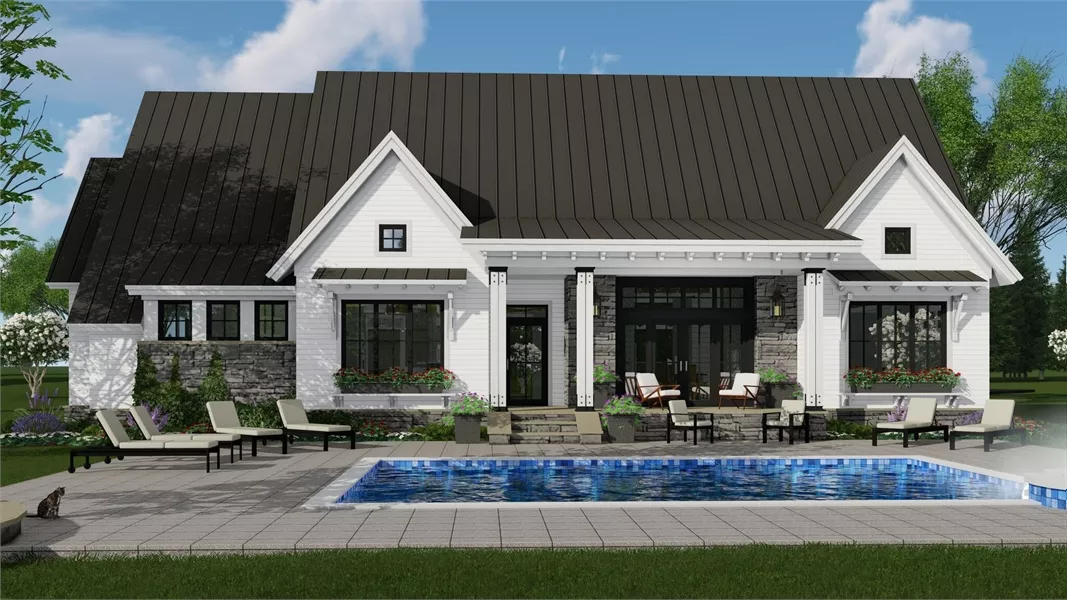
2,500 sq ft and up
What to gather before your site walk
You don't need a survey or a perc test before you call. If you have any of the items below, though, bring them. Each one saves a step:
- Your deed and the county parcel ID number
- Any recorded plat or past survey
- Easement documents if the land is reached through another property
- Prior septic, perc, or soil reports, even old ones
- Well records if there is an existing well
- HOA covenants or restrictions, if any
- Photos or a short video of the property if you live out of state
Haven't bought the land yet? Walk it with a builder first
The cheapest time to find a problem with land is before you close on it. We will walk a property before you buy and give you a straight read on buildability and the likely site work. Warning signs we look for:
- No recorded access, or access only by an informal path
- Wet areas, standing water, or a creek that may carry its own buffer
- Steep grades where the only level area is also the only septic-suitable area
- Power lines or utility easements running through the best house site
- Listings that say "perc test not done" or "sold as-is, no septic"
- Waterfront lots where most of the frontage sits inside the watershed buffer
Building from out of state
Many of our land clients are relocating to Lake Norman from other states and own land before they live here. The process is built for that:
- The initial consultation can happen by phone or Zoom.
- We send photos and video from the site walk if you can't attend in person.
- Progress, budget, and timeline updates come by Zoom every two weeks.
- An optional job-site camera, about $50 a month, lets you watch the build 24/7.
- One point of contact handles permits, inspections, and the trades, so you aren't managing calls from another time zone.
Building on your own land in each Lake Norman community
Who issues your permits, whether sewer is likely, and what the land usually looks like all change from town to town. Here is what owning land means in each area we serve. For the permit offices side by side, see our ground up construction guide.
Denver, NC
Lincoln County · 28037
Land in unincorporated Denver, NC goes through Lincoln County Planning & Inspections, and septic perc testing is handled by Lincoln County Environmental Health. Lincoln County also runs its own buffer ordinance for lake parcels. Land ranges from water lots on the lake to wooded tracts west of NC-16.
Custom homes in Denver, NC →Sherrills Ford, NC
Catawba County
In Sherrills Ford, Catawba County requires zoning approval before it issues a building permit. Septic and well approvals go through Catawba County Environmental Health. Long peninsulas mean many parcels combine shoreline with slope, so the buffer line and the walkout potential are the first things we map.
Custom homes in Sherrills Ford, NC →Lincolnton, NC
Lincoln County
Inside Lincolnton city limits, zoning goes through the City of Lincolnton, and city water and sewer may be available. Outside the city, county rules apply and wells and septic are common. Lincolnton land often comes in acreage with room for a shop or barn.
Custom homes in Lincolnton, NC →Iron Station, NC
Lincoln County
Iron Station is rural Lincoln County land: long driveways, utility runs from the road, and septic with a well. Lincoln County requires a single-lot disturbance form for grading between 1,000 square feet and one acre, and a full erosion control plan above one acre.
Custom homes in Iron Station, NC →Maiden, NC
Catawba & Lincoln Counties
Most of Maiden sits in Catawba County, but part of the area is in Lincoln County, so confirm the parcel's county first. Town of Maiden zoning applies inside town limits, with building permits through Catawba County's Permit Center.
Custom homes in Maiden, NC →Mooresville, NC
Iredell County
Inside Mooresville town limits, the Town of Mooresville has issued its own building permits and inspections since 2023, with zoning through the town. Outside town limits, Iredell County applies. Peninsula and cove land here is often high-value waterfront, where buffers and built-upon limits shape the footprint.
Custom homes in Mooresville, NC →Cornelius, NC
Mecklenburg County
In Cornelius, the town reviews zoning and Mecklenburg County issues building permits and does every inspection. A tree removal permit may apply. Open land is scarce, so many land projects here are teardowns, and the low-density lake buffer runs 50 feet from full pond.
Custom homes in Cornelius, NC →Huntersville, NC
Mecklenburg County
Huntersville follows the same split: town zoning, Mecklenburg County building permits and inspections. Lake buffer width depends on the watershed zone, with low-density buffers of 50 or 30 feet. Parcels farther from the lake are often larger and less constrained.
Custom homes in Huntersville, NC →Davidson, NC
Mecklenburg County
Davidson's low-density lake buffer in the critical area is 40 feet, narrower than in Cornelius or Huntersville. The town handles zoning and Mecklenburg County handles building permits. Land near the town center tends to be infill.
Custom homes in Davidson, NC →Lake Hickory area
Catawba County
Lake Hickory is a separate Duke Energy reservoir on the Catawba River, so piers and shoreline work also go through Duke Energy Lake Services. On the Catawba County side, county permitting applies outside city limits.
Custom homes in Lake Hickory area →
Building on your own land: frequently asked questions
How do I know if my land near Lake Norman is buildable?
Confirm five things: recorded legal access, a wastewater solution (sewer or a permitted septic system), a water source (county water or a well), the zoning and setbacks for your county or town, and whether watershed or shoreline rules apply. A builder's site walk covers all five. A septic soil evaluation then confirms the wastewater piece.
What if my land doesn't have county sewer or water?
That is common around Lake Norman and rarely stops a build. Without sewer, you need a septic system permitted by the county health department, starting with a soil evaluation. Without county water, you drill a private well. Both affect cost and where the house sits, so we plan them together on one site plan.
How much land do I need to build a custom home near Lake Norman?
It depends on zoning and on whether you need septic. Some clients build comfortably on just over half an acre with sewer. Land that needs a septic field plus a repair area, and a well that keeps the required distance from it, often needs more. In some cases that means several acres, depending on the soil.
Can I tear down an older home and build new on the same land?
Yes. We handle demolition and the rebuild. If current setbacks allow, the new home can use the same footprint or an improved one. Old septic tanks and wells have to be properly abandoned, and on lake parcels the current watershed rules apply to the new home.
Do I need a survey or a perc test before I call?
No. Call first. We'll tell you which surveys and tests your specific land needs, so you don't pay for the wrong ones.
Is my waterfront land affected by Lake Norman's shoreline rules?
Likely, yes. Watershed buffers are measured from the 760-foot full pond elevation, and hard surfaces are generally capped around 24% under low-density rules. Any pier, dock, or shoreline work needs a Duke Energy Lake Services permit. We check your parcel's specific requirements before design.
How long does it take to build on my own land?
Design, permitting, and septic approval come first, and their length depends on the site and the county. Construction itself typically runs about 4 to 8 months once permits are issued. Size, site work, and selections move that range.
How is this different from your build-on-your-lot service?
This page covers land you own outright, often acreage or rural parcels where access, septic, and wells have to be worked out. Building on your own lot usually means a lot inside a planned community, where an HOA and architectural review board add their own approval step.
Who issues building permits for land in Denver, NC?
Land in unincorporated Denver, NC (28037) is permitted through Lincoln County Planning & Inspections. Septic perc testing goes through Lincoln County Environmental Health.
Do you build on land in Mooresville, Cornelius, and Huntersville?
Yes. Inside Mooresville town limits, permits come from the Town of Mooresville. In Cornelius and Huntersville, the town reviews zoning and Mecklenburg County issues building permits and inspections. We handle all of it.
Sources and references
- NC DHHS: on-site wastewater permitting guidance
- Duke Energy Lake Services: shoreline permit FAQs
- Lake Norman watershed buffer and built-upon area table (UNC Charlotte archive)
- Lincoln County Planning & Inspections: residential applications
- Catawba County: residential permit process
- Town of Mooresville: Building Permitting & Inspections
- Town of Cornelius: permits, applications & fees
Find out what your land can become
Book a site walk. You'll leave knowing whether the land is buildable, where the house wants to sit, and which site costs to plan for, before you spend money on plans.
Design Center: 7680 Townsend Dr., Denver, NC 28037